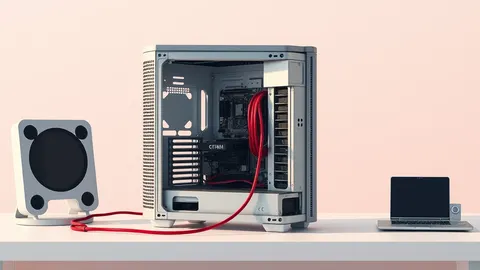
Critical RCE Flaw Found in Microsoft PostScript Printer Driver
A heap-based buffer overflow in the Microsoft PostScript Printer Driver allows remote attackers to execute code, rated 9.8 CVSS.

Key points
- Microsoft disclosed CVE-2026-70153 as a critical remote code execution vulnerability.
- The flaw involves a heap-based buffer overflow in the PostScript Printer Driver.
- Attackers can exploit the issue over a network without prior authentication.
Microsoft has disclosed a critical remote code execution vulnerability in its PostScript Printer Driver. The flaw, identified as CVE-2026-70153, allows unauthorized attackers to execute arbitrary code over a network. This discovery highlights risks in printer driver components that handle external data inputs.
The vulnerability stems from a heap-based buffer overflow within the driver software. According to the National Vulnerability Database, the issue carries a CVSS score of 9.8, classifying it as critical. This severity rating reflects the potential impact of the flaw, which allows for remote code execution by an unauthorized attacker.
Context and Background
The Microsoft Security Update Guide describes the issue as allowing an unauthorized attacker to execute code over a network. The underlying weakness is categorized under CWE-122, which refers to heap-based buffer overflows. These types of errors occur when software writes data beyond the boundaries of a fixed-length buffer in memory.
The source material identifies the specific component as the Microsoft PostScript Printer Driver. The advisory notes that the vulnerability allows for remote code execution. This means that an attacker does not need local access to the system to potentially exploit the flaw, as the attack vector is over a network.
Who Is Affected
The vulnerability affects systems running the Microsoft PostScript Printer Driver. Any device or server that utilizes this specific driver for printing operations is potentially at risk. Since printer drivers are integral to operating system functionality, the impact could be broad across enterprise environments that rely on Microsoft software.
Remote exploitation means attackers do not need physical access to the target machine. They can send maliciously crafted data over a network connection to trigger the buffer overflow. This makes the threat particularly relevant for networked printers and print servers that accept jobs from multiple users.
What should you do?
Security teams should immediately assess their environments for the presence of the Microsoft PostScript Printer Driver. Identifying affected systems is the first step in mitigating the risk associated with CVE-2026-70153. Organizations should monitor for any unusual activity on print servers or devices that handle PostScript data.
Until a patch is confirmed and deployed, restricting network access to print services may reduce exposure. Administrators should review firewall rules to ensure that only authorized users can send print jobs. Logging and monitoring tools should be configured to detect potential exploitation attempts.
What to do and how to stay safe: Microsoft
- Inventory all systems running the Microsoft PostScript Printer Driver to identify potential exposure.
- Restrict network access to print services to limit the attack surface for remote exploitation.
- Monitor logs for unusual activity or data spikes on print servers that could indicate an attack.
- Prepare to apply the vendor’s update once a patch for CVE-2026-70153 is officially released.
Step-by-step guide: Risk-Based Vulnerability Management: Prioritize Fixes by Actual Danger
General security guidance from the Threat Times newsroom. It is not confirmed advice from the organisations named in this story.
Frequently asked questions
What is CVE-2026-70153?
It is a critical remote code execution vulnerability in the Microsoft PostScript Printer Driver caused by a heap-based buffer overflow.
How severe is this vulnerability?
The National Vulnerability Database rates it as critical with a CVSS score of 9.8 due to its remote exploitability.
Can this be exploited remotely?
Yes, an unauthorized attacker can execute code over a network by targeting the vulnerable PostScript Printer Driver.