Volvo to Launch Nvidia-Powered Hands-Free Driving System by 2030
Volvo Cars announced it will use Nvidia AI technology to enable partially automated, hands-free urban driving in vehicles by the year 2030.
Key points
- Volvo will deploy a Level 2++ driving system powered by Nvidia’s Hyperion platform and Alpamayo software.
- The system enables hands-free navigation of complex urban environments, including traffic lights and unprotected turns.
- This partnership aims to advance Volvo’s autonomous capabilities after previous regulatory and supply chain setbacks.
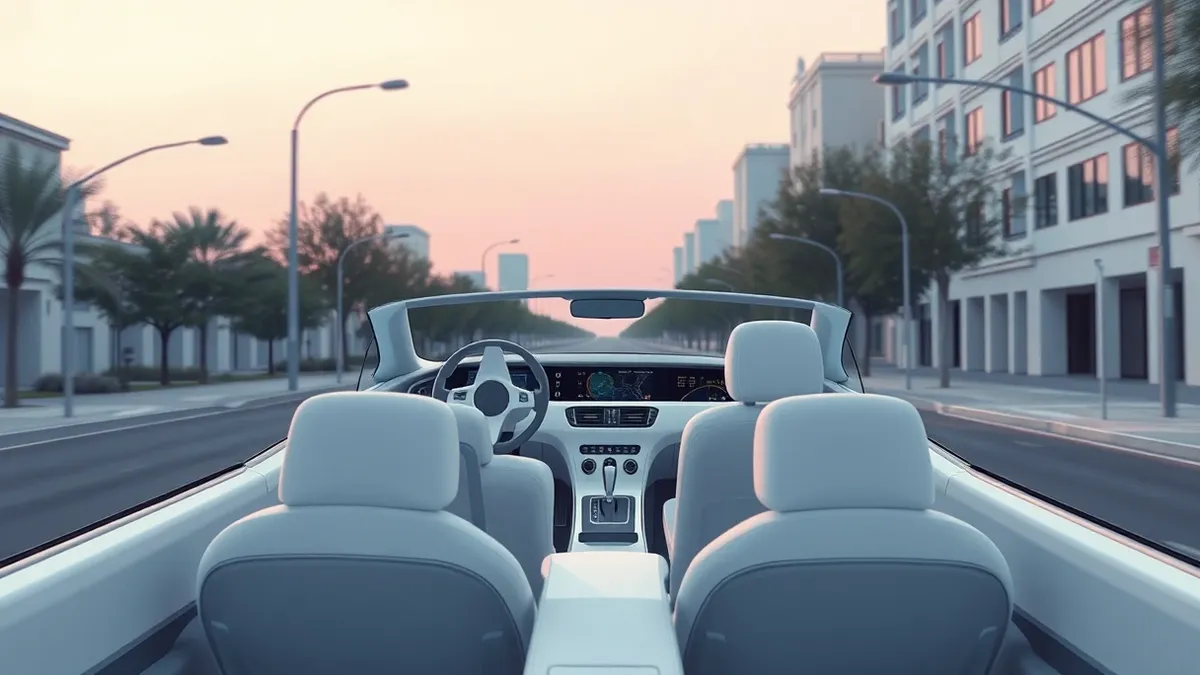
Volvo Cars announced on Thursday that it will introduce a hands-free, point-to-point driving system by 2030. The automaker stated it will utilize Nvidia’s autonomous driving stack to power this new partially automated system, which resembles Tesla’s Full Self-Driving (Supervised) capability.
The new system will be classified as Level 2++, allowing vehicles to handle complex urban driving tasks without explicit driver control. According to Volvo, the technology will manage traffic lights, stop signs, and unprotected left turns. Ali Kani, VP of Nvidia’s automotive team, noted the system will also resemble the Nvidia-powered solution recently deployed in the Mercedes-Benz CLA sedan.
Technical Architecture and Strategy
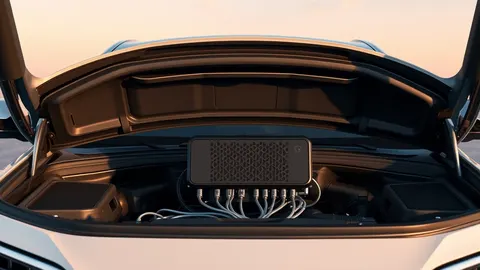
Volvo will implement Nvidia’s Hyperion platform, which combines high-powered silicon with additional vehicle-mounted sensors to perceive surroundings. The automaker will also use Nvidia’s Alpamayo software, which employs reasoning models to interpret complex road conditions and plan steering, braking, or acceleration actions.
The setup will not initially include lidar sensors. However, Volvo indicated it could add laser sensors in the future if it decides to do so. Alwin Bakkenes, head of global software engineering at Volvo Cars, said the company will contribute its proprietary driver-understanding systems to enhance overall safety and trust.
Context and Previous Challenges
This expansion of the partnership aims to correct past failures in Volvo’s automated driving projects. The automaker previously sidelined its Ride Pilot Level 3 unsupervised system in the US after failing to secure regulatory approval. Additionally, plans to add lidar sensors fell through after supplier Luminar went bankrupt.
Volvo intends to combine its safety reputation with Nvidia’s technology to improve the system’s reliability. Bakkenes emphasized that the brand is synonymous with safety and trust, suggesting the new system will prioritize detailed analysis of driver behavior beyond basic monitoring capabilities.
What should you do?
Security and technology professionals should monitor the development of Level 2++ systems for potential vulnerabilities in sensor fusion and reasoning models. Organizations should assess how proprietary driver-understanding systems handle data privacy and security. Watch for regulatory updates regarding unsupervised autonomous driving approvals in relevant markets. Evaluate supply chain risks associated with third-party AI software stacks in automotive platforms.
What to do and how to stay safe: Volvo
- Monitor regulatory updates regarding Level 2++ autonomous driving approvals and safety standards.
- Assess supply chain risks associated with third-party AI software stacks in automotive platforms.
- Evaluate how proprietary driver-monitoring systems handle data privacy and security compliance.
- Review sensor fusion architectures for potential vulnerabilities in complex urban driving scenarios.
Step-by-step guide: Mobile Device Security: How to Protect Data Beyond Passwords
General security guidance from the Threat Times newsroom. It is not confirmed advice from the organisations named in this story.
Frequently asked questions
What level of automation does Volvo's new system represent?
Volvo states the new point-to-point system will be Level 2++, enabling hands-free driving in complex urban environments.
Which Nvidia technologies will power the new Volvo driving system?
The system will use Nvidia’s Hyperion platform for hardware and sensors, along with Alpamayo software for reasoning and planning.
Will the new Volvo system include lidar sensors?
The initial setup will not include lidar, though Volvo noted it could add the laser sensor in the future.