Ukraine Tests Drone Evacuation of Wounded Soldier on Frontline
A heavy hexacopter drone successfully evacuated an injured Ukrainian soldier from a minefield, marking a shift in battlefield casualty extraction methods.
Key points
- The 92nd separate assault brigade used a Gurzuf Defence Heavy Shot AYUDAG 6 drone for the rescue.
- The flight covered nearly 39 miles and lasted one hour and 14 minutes.
- The operation occurred where Russian drones and landmines blocked ground robot access.
Ukraine’s military successfully evacuated a wounded soldier using a heavy hexacopter drone, marking a significant development in battlefield casualty extraction. The operation was revealed on October 19 when the Ukrainian Army shared video evidence of the mission, showing the injured servicemember being flown to safety from a contested frontline position.
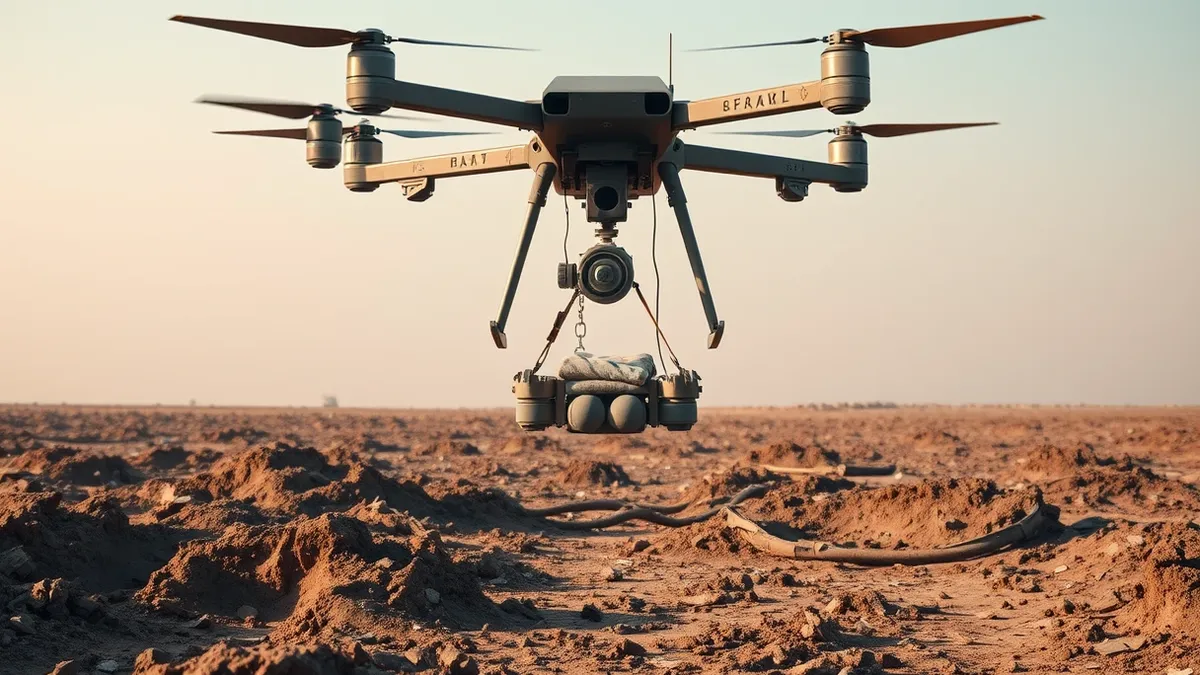
The rescue involved a Heavy Shot AYUDAG 6 model provided by Ukrainian manufacturer Gurzuf Defence. According to The Kyiv Independent, the location was chosen because Russian drones and landmines made it impossible to deploy wheeled ground robots. The soldier secured himself in a harness suspended beneath the drone, which was equipped with a winch system for the lift.
Operational Details and Equipment
The flight lasted one hour and 14 minutes and covered a distance of nearly 39 miles, or 62 kilometers. Gurzuf Defence reported that this specific hexacopter model can carry a payload of up to 200 pounds, or 90 kilograms. Special carabiners were delivered to the soldier beforehand to facilitate attachment to the drone’s suspension system during the improvised aerial evacuation.
Napalm, a programmer with the 92nd separate assault brigade’s unmanned ground systems company, described the event as historic. He stated that serious systematic work would now begin to ensure such missions are carried out constantly. This effort represents a step beyond decades of US military experimentation with similar casualty evacuation concepts.
Impact on Frontline Tactics
The rescued soldier belongs to Ukraine’s 30th separate mechanized brigade and had spent nearly 500 days at his frontline position. He had previously relied on friendly drone deliveries for ammunition and supplies while under threat of Russian fire. Heavy drones offer advantages in speed and survivability, potentially representing the only realistic option for extracting soldiers from dangerous zones where ground access is denied.
What should you do?
Security and technology professionals should monitor developments in unmanned aerial vehicle capabilities for potential dual-use implications. Organizations should review their own drone policies to ensure compliance with evolving international norms regarding autonomous systems. Watch for new regulatory guidance on heavy-lift drone operations in contested environments.
What to do and how to stay safe: Gurzuf Defence
- Monitor vendor announcements for updates on heavy-lift drone capabilities and safety features.
- Review internal policies regarding the use of autonomous systems in high-risk environments.
- Assess supply chain risks for manufacturers providing components to defense contractors.
- Track regulatory changes concerning drone operations in contested or restricted airspace.
Step-by-step guide: Mobile Device Security: How to Protect Data Beyond Passwords
General security guidance from the Threat Times newsroom. It is not confirmed advice from the organisations named in this story.
Frequently asked questions
Which drone model was used for the evacuation?
The 92nd brigade used a Heavy Shot AYUDAG 6 heavy hexacopter drone provided by Gurzuf Defence.
How long was the drone flight?
The evacuation flight took one hour and 14 minutes to cover nearly 39 miles.
Why was a drone used instead of a ground vehicle?
Russian drones and landmines made it impractical to send in wheeled ground robots to the location.