Ten US states now permit plug-in solar systems for residential use
Utah leads a growing list of states legalizing backyard solar, while dozens more debate bills amid electrical code hurdles.
Key points
- Ten states have legalized plug-in solar systems for consumer use.
- Utah was the first state to pass legislation allowing these setups.
- Roughly two dozen other states are currently working on related bills.
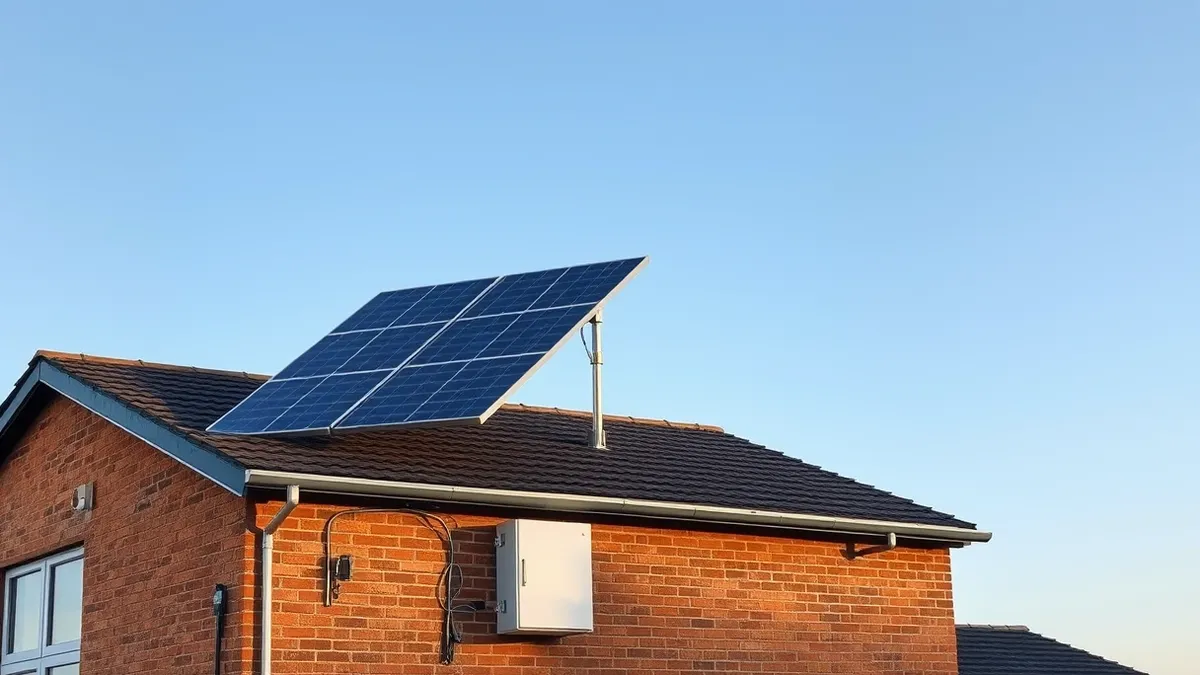
Ten United States states have officially legalized the use of plug-in solar systems for residential consumers. According to ZDNET Security, these jurisdictions allow homeowners to install and operate backyard solar setups that connect directly to standard household outlets.
Utah was the pioneering state to pass such legislation, establishing a legal pathway for these devices. Nine additional states have since joined Utah in enacting laws that permit the installation of these plug-and-play solar energy systems for general consumer use.
Legislative status across the US
Approximately two dozen other states are actively working to legalize similar plug-in solar arrangements. ZDNET Security reports that some of these legislative efforts are advancing through committee hearings or awaiting final approval, while others have stalled until future sessions.
In Massachusetts, bills H.5175 and S3143 are moving forward in the legislative process. Meanwhile, the SUNNY Act in New York is pending approval from the governor, indicating continued momentum in several key regions for this technology.
Legislation in Michigan, Ohio, Pennsylvania, Rhode Island, South Carolina, and Washington, DC has reached the committee hearing stage. These states are evaluating the regulatory framework required to support plug-in solar installations within their existing electrical codes and utility regulations.
Challenges and stalled efforts
Many states face significant hurdles in legalizing these systems due to existing electrical codes and equipment certification requirements. ZDNET Security notes that most US household electrical systems are not designed to receive electricity through standard wall outlets, creating safety and regulatory concerns.
Twelve states have stalled their plug-in solar bills until the next legislative session in 2027. This group includes Alaska, Arizona, Delaware, Hawaii, Idaho, Illinois, Indiana, Iowa, Minnesota, Missouri, North Carolina, and Oklahoma, according to the report.
The restrictions stem from utility regulations and the complexity of integrating solar-generated power into homes without professional-grade installations. These factors make it difficult for consumers to install such systems legally in jurisdictions that have not yet updated their codes.
What should you do?
Residents in the ten legalized states can currently purchase and install systems like the EcoFlow Stream. Those in other states should monitor their local legislative updates, as bills are advancing or pending in numerous additional jurisdictions across the country.
What to do and how to stay safe: plug-in solar
- Check your state’s current laws to see if plug-in solar systems are legally permitted for residential use.
- Review local electrical codes and utility regulations before purchasing or installing any backyard solar equipment.
- Monitor legislative updates in your state, as many bills are currently in committee or pending approval.
- Consult with a qualified electrician to ensure your home’s wiring can safely handle plug-in solar connections.
Step-by-step guide: Mobile Device Security: How to Protect Data Beyond Passwords
General security guidance from the Threat Times newsroom. It is not confirmed advice from the organisations named in this story.
Frequently asked questions
How many states have legalized plug-in solar systems?
Ten states have successfully passed legislation legalizing plug-in solar systems for consumer use, according to ZDNET Security.
Which states are currently working on legalization?
About two dozen states are working on bills, including Massachusetts, New York, Michigan, Ohio, Pennsylvania, Rhode Island, South Carolina, and Washington, DC.
Why are these systems illegal in many states?
Most US household electrical systems are not designed to receive electricity through standard wall outlets, creating code and safety issues.