Samsung restarts fifth semiconductor fab in Pyeongtaek after AI demand surge
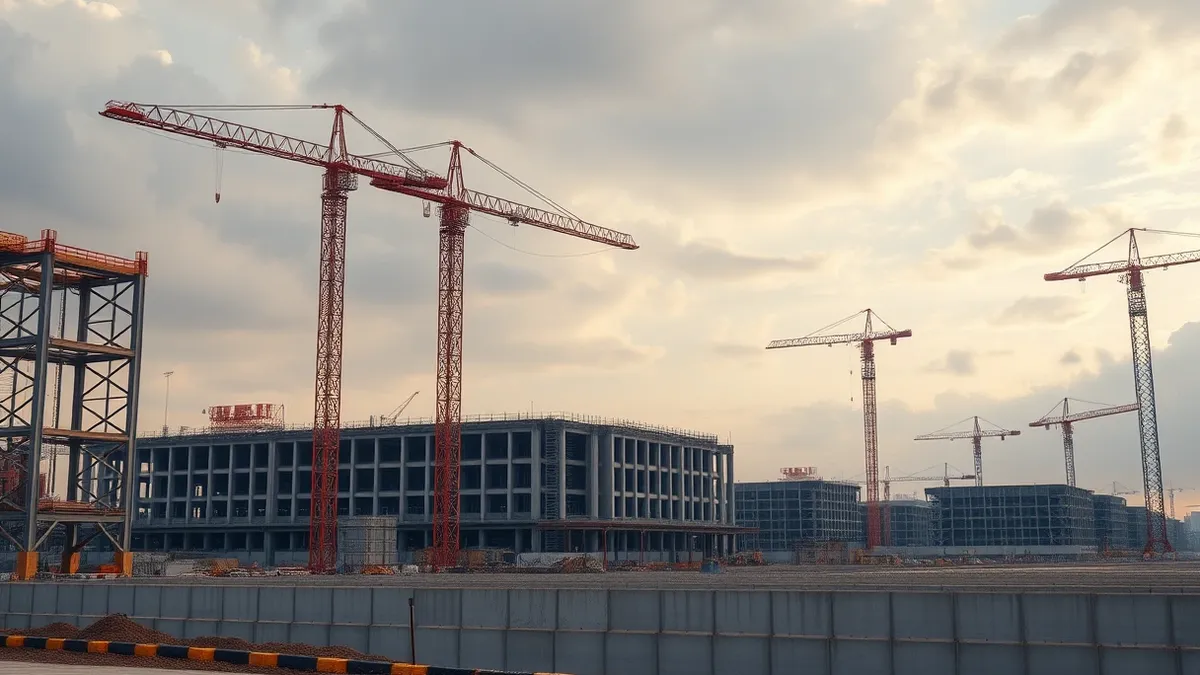
The South Korean tech giant resumed construction on its fifth memory chip facility in 2024, reversing a pause caused by earlier market softness.
Key points
- Samsung operates three fabs in Pyeongtaek with a fourth coming online.
- Construction on a fifth facility halted during a 2024 demand drop.
- The AI boom triggered a restart of the fifth fab's construction.
Samsung Electronics has restarted construction on its fifth semiconductor manufacturing facility in Pyeongtaek, South Korea, following a surge in demand for memory chips driven by the generative artificial intelligence boom. The company previously halted this specific construction project during a period of reduced market demand in 2024.
The Pyeongtaek complex now features three operating fabrication plants that run around the clock, with a fourth facility currently coming online. According to MIT Technology Review AI, the restart of the fifth fab reflects a strategic pivot to meet the growing need for specialized memory chips required for powerful graphics processing units used in AI models.
Expansion Context
The manufacturing complex is located in Pyeongtaek, a city south of Seoul known for its rice paddies, which now abut a sprawling industrial campus covering an area comparable to New York City’s Central Park. Thousands of construction workers, identifiable by black uniforms and sky-blue vests, navigate the site daily. Many commute from nearby districts like Songtan via shuttle buses.
Choi Hye-rin, a 35-year-old safety officer, oversees crews building cable ducts and inspects equipment and chemicals. She represents hundreds of women working on site, many employed as spotters for heavy machinery. Safety protocols are prominent, with banners urging workers not to rush even if schedules slip, and helmets bearing pledges to refuse unsafe work conditions.
Workforce and Market Outlook
Workers dine at various campus eateries and often visit real estate offices for short-term leases or home purchases, sharing spaces with salaried engineers. The atmosphere combines urgency with strict safety measures, highlighted by contests for safety-related poetry and LED scoreboards. Samsung predicts that demand for memory chips will continue to surge through 2028, justifying the rapid expansion and operational intensity of the Pyeongtaek hub.
What should you do?
Monitor supply chain reports for potential memory chip shortages or price fluctuations as Samsung ramps up production. Track announcements from GPU manufacturers regarding new hardware releases that depend on these advanced memory stacks. Review your organization's procurement strategies for AI infrastructure components to anticipate lead time changes. Stay informed about labor conditions in major semiconductor hubs, as workforce dynamics can impact production timelines.
What to do and how to stay safe: Samsung
- Monitor supply chain reports for potential memory chip shortages or price fluctuations as Samsung ramps up production.
- Track announcements from GPU manufacturers regarding new hardware releases that depend on these advanced memory stacks.
- Review your organization's procurement strategies for AI infrastructure components to anticipate lead time changes.
- Stay informed about labor conditions in major semiconductor hubs, as workforce dynamics can impact production timelines.
Step-by-step guide: Mobile Device Security: How to Protect Data Beyond Passwords
General security guidance from the Threat Times newsroom. It is not confirmed advice from the organisations named in this story.
Frequently asked questions
Why did Samsung restart construction on its fifth fab?
Samsung restarted construction because the AI boom sent demand for memory chips soaring, reversing a previous halt caused by a drop in demand.
How many fabs are currently operating in Pyeongtaek?
Three fabs already operate around the clock, and a fourth is coming online, with a fifth under construction.
What type of chips are produced at this facility?
The facility produces specialized memory chips that are packaged with processors in powerful GPUs used for generative AI models.