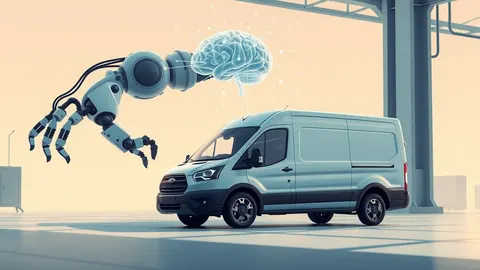
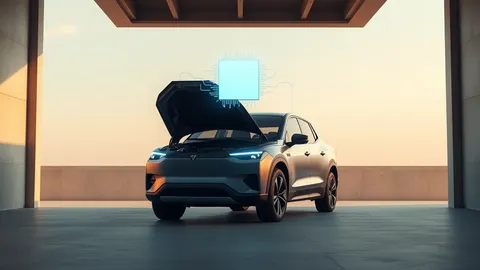
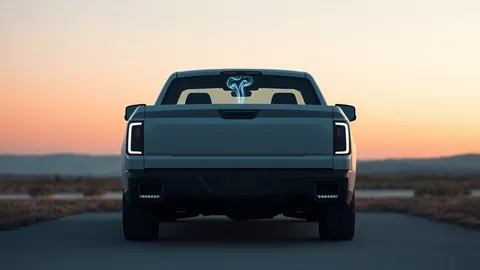
Rivian CEO RJ Scaringe Plans Autonomous EVs, Says Autonomy Enables New Designs
Rivian’s chief executive says self-driving tech will allow radically different vehicle forms, prioritizing innovation over immediate profitability.
Key points
- RJ Scaringe stated Rivian will pursue autonomous software development even if it delays profitability.
- The CEO believes autonomy enables vehicle designs beyond current SUVs and trucks.
- Unlike past concept cars, Rivian cites current robotaxi operations and cheaper EV components as enablers.
Rivian founder and CEO RJ Scaringe announced at TechCrunch Disrupt last week that the electric vehicle maker is accelerating its autonomous vehicle software development. Scaringe stated the company is willing to delay achieving profitability to pursue this technological goal, signaling a major strategic shift for the manufacturer.
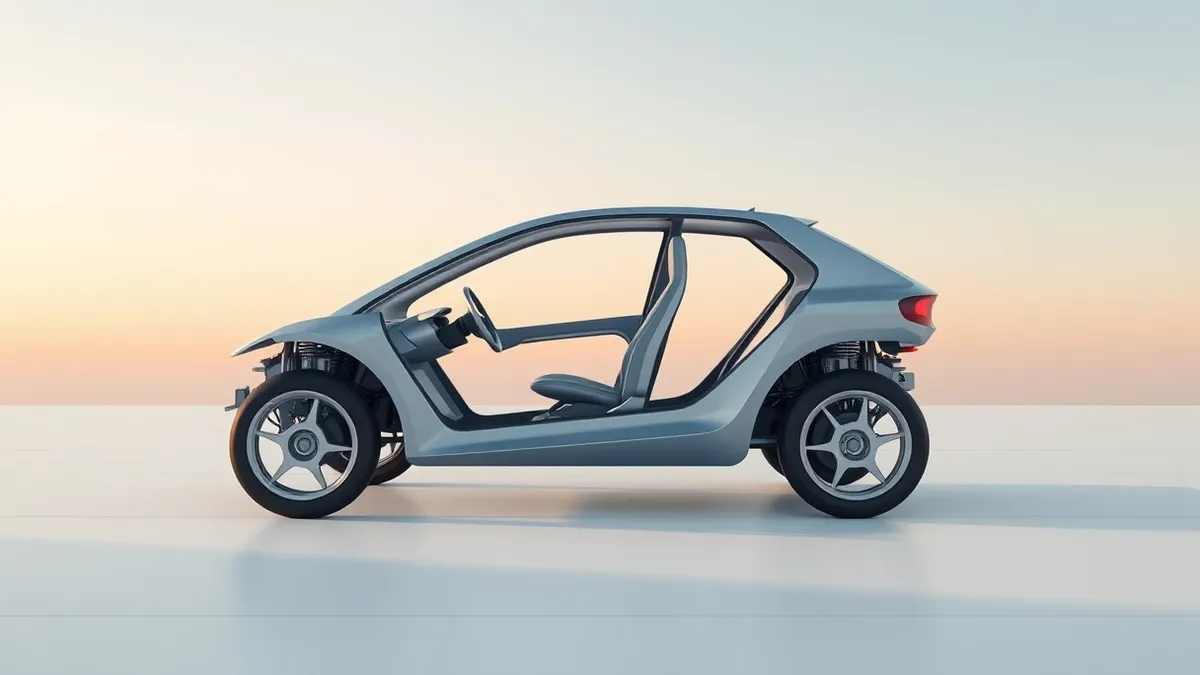
Scaringe told TechCrunch that autonomy will allow Rivian to build radically different vehicle form factors than the outdoorsy SUVs and trucks it currently produces. He indicated that this vision opens up design opportunities for personally owned autonomous vehicles, moving beyond the R2 and R3 models. The CEO expressed excitement about the design opportunities that autonomy presents for the next decade.
Context on Autonomous Vehicle Development
This vision of autonomy-driven design is not new, according to TechCrunch. A decade ago, legacy automakers and startups predicted that self-driving tech combined with electric drivetrains would create a Cambrian explosion of new mobility forms. Companies like Mercedes-Benz, Toyota, and Hyundai previously showcased concept vehicles ranging from pod-like pods to cars with legs.
However, that promised design revolution never moved past the concept and prototyping phase, the outlet reported. Autonomy development took longer than anticipated, and manufacturers struggled with the harsh realities of producing and selling entirely new vehicle categories. Those earlier concepts failed to reach the market due to technical and manufacturing hurdles.
Current Industry Landscape
The difference now is that real robotaxis are roaming the streets of multiple cities worldwide, according to TechCrunch. The software powering these vehicles has developed to a level capable of safe, scaled operation on public roads, despite integration issues with urban traffic. Electric vehicle motor and battery components have also become cheaper, aiding mass production.
Companies like Tesla and Rivian, along with many in China, have improved their ability to build electric vehicles at scale, the report noted. While Scaringe’s comments reflect optimism, Rivian still has significant work ahead before deploying driverless vehicles. The gap between current robotaxi operations and personally owned autonomous cars remains a substantial engineering challenge.
What should you do?
Security and technology professionals should monitor Rivian’s software updates for changes in data handling and connectivity features as autonomous capabilities are integrated. Organizations using fleet management software should assess how Rivian’s new vehicle architectures might impact existing integration points and security protocols.
What to do and how to stay safe: Rivian
- Monitor vendor announcements for changes in data collection practices related to autonomous driving features.
- Review fleet management integration requirements as new vehicle architectures are introduced.
- Assess the security implications of increased connectivity in personally owned versus fleet vehicles.
- Track regulatory developments regarding autonomous vehicle deployment in your operational regions.
Step-by-step guide: Mobile Device Security: How to Protect Data Beyond Passwords
General security guidance from the Threat Times newsroom. It is not confirmed advice from the organisations named in this story.
Frequently asked questions
What is Rivian’s stance on profitability while developing autonomous technology?
CEO RJ Scaringe said Rivian is willing to delay profitability to focus on developing autonomous vehicle software.
Which vehicle model represents the culmination of Rivian’s autonomous design vision?
The source summary states the vision will culminate with the R4 vehicle, though Scaringe spoke generally about form factors beyond R2 and R3.
Why does Rivian believe now is the time for autonomous vehicle innovation?
The company cites real-world robotaxi operations, cheaper EV components, and improved manufacturing scale for electric vehicles as key enablers.