Pikio Labs Develops New Skull Protection Technology Inspired by Woodpeckers
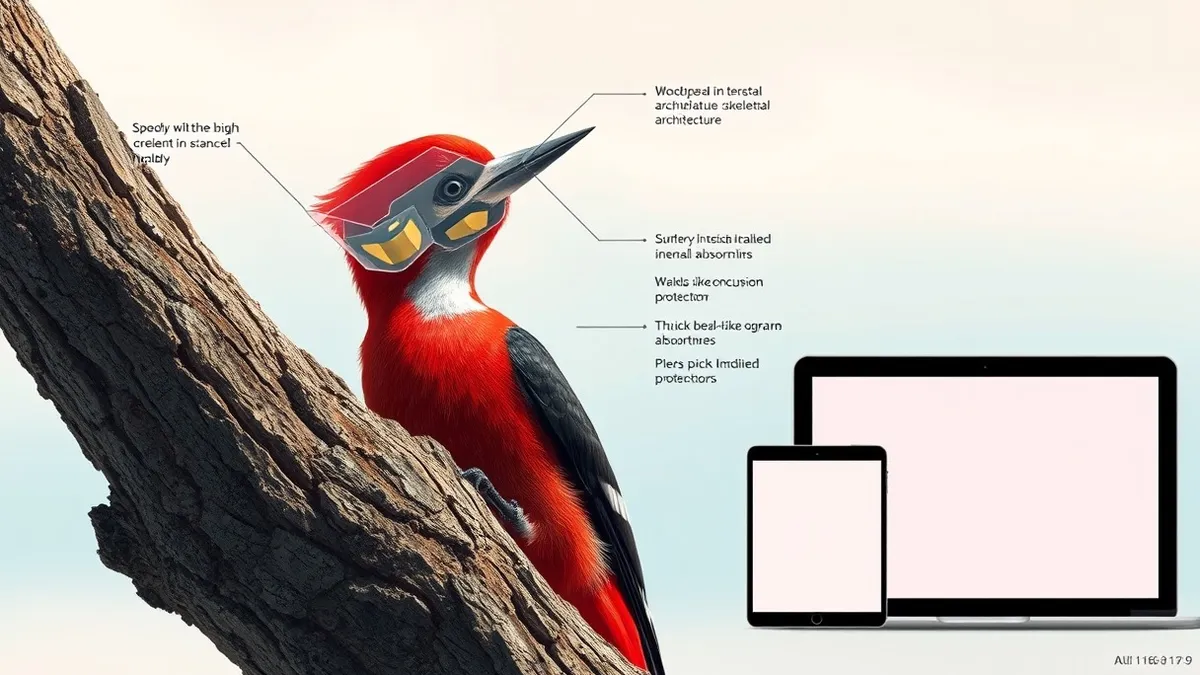
Vancouver startup Pikio Labs has engineered a new approach to head protection by studying the anatomy of woodpeckers.
Key points
- Pikio Labs is a Vancouver-based startup focused on skull protection.
- The company’s technology is inspired by the head-banging behavior of woodpeckers.
- Wired reported on the startup’s unique approach to building safer bike helmets.
Vancouver-based Pikio Labs has developed a new approach to skull protection that aims to create the world’s safest bike helmet. According to a report by Wired, the startup has discovered a novel method for protecting the head by studying biological models.
The technology is directly inspired by the anatomy and behavior of woodpeckers. These birds are known for head-banging actions that generate significant force, yet they survive without brain injury. Pikio Labs analyzed this natural resilience to inform their engineering process for human safety equipment.
Engineering Context
The core of the innovation lies in mimicking the structural properties that allow woodpeckers to withstand high-impact forces. Wired noted that the startup’s research focused on how these birds protect their skulls during rapid, repetitive strikes against hard surfaces. This biological study served as the foundation for the new protective design.
By observing the woodpecker’s head structure, engineers at Pikio Labs identified specific mechanisms that dissipate shock. The startup applied these findings to the development of helmet technology. The goal was to translate biological durability into a practical safety device for cyclists and other users.
Who Is Affected
This development primarily impacts the consumer safety market, specifically within the cycling and sports equipment sectors. Users who rely on helmets for protection may benefit from this new technology if it becomes commercially available. The startup’s focus on superior skull protection addresses a key concern for athletes and commuters.
The report by Wired highlights that this is a startup-led innovation rather than a product from a major legacy manufacturer. This suggests a potential shift in how safety gear is designed, moving toward biomimicry. Consumers interested in advanced safety features will likely watch this company’s progress.
What should you do?
Security and technology professionals should monitor developments in biomimetic engineering as it applies to physical safety products. While this is not a cybersecurity incident, the principle of learning from nature to solve engineering problems is relevant. Readers should verify the safety certifications of any new helmet technology before purchase.
What to do and how to stay safe: Pikio Labs
- Research the specific safety certifications and testing standards applied to new helmet designs.
- Review independent laboratory tests that compare impact protection across different helmet brands.
- Consult with safety experts who specialize in personal protective equipment before switching brands.
- Monitor official announcements from Pikio Labs regarding product availability and technical specifications.
General security guidance from the Threat Times newsroom. It is not confirmed advice from the organisations named in this story.
Frequently asked questions
Who developed the new skull protection technology?
Pikio Labs, a startup based in Vancouver, developed the new approach to skull protection.
What inspired the design of the new helmet technology?
The technology was inspired by the head-banging behavior and anatomy of woodpeckers.
Which outlet reported on this startup’s innovation?
Wired published a report detailing how Pikio Labs built their safer bike helmet technology.