Microsoft details 167 kW power draw for new Maia 300 AI chip racks
The tech giant announced its next-generation custom silicon will power multi-gigawatt deployments starting next year.
Key points
- Microsoft unveiled the Maia 300 custom AI chip on Monday.
- Each rack holds 96 chips and consumes approximately 167 kW of power.
- The company plans to begin multi-gigawatt deployments of the hardware next year.
Microsoft announced its next-generation custom artificial intelligence processor, the Maia 300, on Monday. According to Reuters, the tech giant revealed specific power requirements and deployment timelines for the new hardware during the announcement.
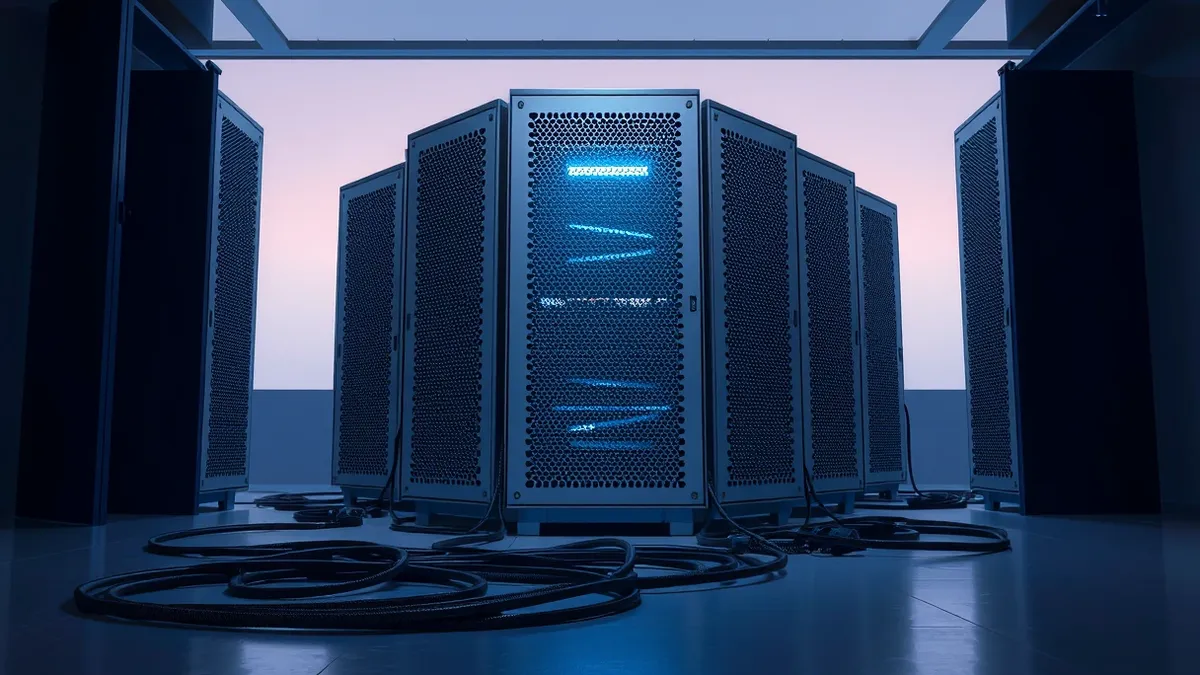
The new Maia 300 racks are designed to house 96 individual chips. Each of these racks will consume approximately 167 kilowatts of power. Microsoft stated that it plans to roll out multi-gigawatt deployments of this chip starting next year.
Hardware specifications and scale
The announcement highlights the significant energy demands of modern AI infrastructure. With each rack drawing 167 kW, the cumulative power requirement for large-scale data centers is substantial. Microsoft indicated that these deployments will reach the multi-gigawatt level. This scale reflects the growing computational needs of advanced AI models.
The Maia 300 represents the next iteration of Microsoft’s custom silicon strategy. By designing its own chips, the company aims to optimize performance for its specific cloud services. The 96-chip configuration per rack suggests a focus on high-density computing environments.
Infrastructure implications
Deploying multi-gigawatt systems requires significant upgrades to data center power infrastructure. The 167 kW per rack figure indicates that electrical capacity will be a key constraint. Facilities hosting these systems must accommodate high-density power loads. This shift impacts how data centers are designed and operated.
Microsoft’s timeline places the start of these major deployments next year. This schedule allows time for necessary infrastructure adjustments. The move aligns with broader industry trends toward custom AI hardware. Other tech firms are also developing proprietary chips to meet demand.
What should you do?
Security and technology professionals should monitor developments in AI infrastructure power requirements. Understanding these specs helps in planning for future data center needs. Organizations relying on cloud AI services should watch for vendor updates. These changes may affect service availability and pricing in the long term.
What to do and how to stay safe: Microsoft
- Review current data center power capacity plans to ensure they can support high-density AI workloads.
- Monitor vendor announcements for updates on custom AI chip availability and deployment schedules.
- Assess how increased power consumption in AI infrastructure might impact operational costs and sustainability goals.
- Evaluate cloud service provider strategies regarding custom silicon to understand potential performance benefits.
General security guidance from the Threat Times newsroom. It is not confirmed advice from the organisations named in this story.
Frequently asked questions
How much power does a single Maia 300 rack consume?
According to Reuters, each rack holding 96 Maia 300 chips uses approximately 167 kW of power.
When does Microsoft plan to deploy these new AI chips?
Microsoft plans to roll out multi-gigawatt deployments of the Maia 300 chip starting next year.
How many chips are in each Maia 300 rack?
Each rack is designed to hold 96 Maia 300 chips.


