Meta Launches Audio-Only Ray-Ban Glasses Without Cameras to Address Privacy Concerns
Meta introduces new Ray-Ban Meta Audio smart glasses that remove cameras entirely, offering a lighter, more private wearable option for consumers wary of surveillance.
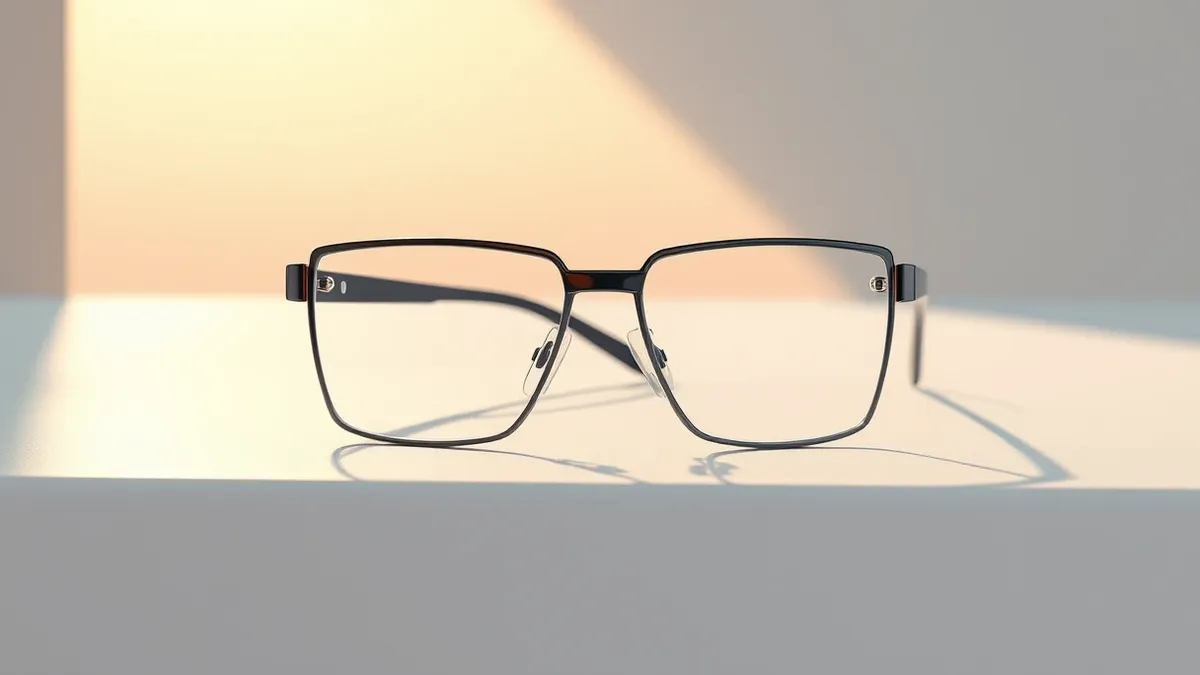
Key points
- Meta released Ray-Ban Meta Audio glasses that lack cameras and front-facing LEDs.
- The audio-only frames weigh 47 grams and offer improved battery life over camera models.
- Setup includes prominent privacy disclosures, allowing users to opt out of data sharing.
Meta has introduced the Ray-Ban Meta Audio glasses, a new wearable device that completely removes the camera module found in previous models. According to reports from The Verge and Engadget, this audio-only iteration addresses growing consumer discomfort regarding surveillance capabilities in smart eyewear. The device focuses exclusively on audio functionality, marking a distinct shift in Meta’s hardware strategy toward privacy-conscious design.
The new glasses are priced at $349 and come in two frame styles: the Burbank, which resembles a thinner Wayfarer, and the Clubmaster, a classic Ray-Ban design. Engadget notes that these frames are lighter and more comfortable than prior versions, weighing only 47 grams. The removal of the camera and front-facing LED allows for a slimmer profile, reducing pressure on the nose and improving overall fit for users who previously struggled with the weight distribution of Meta’s camera-enabled models.
Design and Hardware Changes
Meta’s VP of Wearables, Ming Hua, stated that the company rebuilt the speaker and microphone setup to accommodate the smaller frame size. This engineering effort resulted in a device that looks like normal eyewear from the front, with no visible tech indicators except for transparent arms showing inner circuitry. The right arm retains a touchpad for volume and call controls, along with a small inward-facing LED for notifications and a tiny action button for shortcuts.
The Verge reported that testers found it difficult for bystanders to notice they were wearing smart glasses, attributing this to the lack of camera lenses and LEDs. Unlike previous models, these audio-only glasses do not trigger the same social friction or privacy concerns associated with recording capabilities. The design prioritizes subtlety, allowing users to interact with AI assistants and music without appearing to use spyware-like hardware.
Privacy and Data Handling
During the setup process, Meta implemented more prominent privacy and data opt-out disclosures than in previous generations. The Verge highlighted that a screen explicitly explains how visual data from AI experiences is handled, although this specific messaging applies to any Meta glasses. Users can opt out of Meta using their data to improve AI models, though voice data remains in use. Additionally, consumers can choose not to share "additional data" with Meta, as detailed in a separate online document.
What should you do?
Consumers interested in smart eyewear should evaluate their privacy needs against the functionality offered by camera-enabled versus audio-only models. Users should review Meta’s updated privacy settings during device setup to ensure they align with personal data preferences. Those concerned about social perception may find the audio-only version more suitable for public use.
What to do and how to stay safe: Meta
- Review Meta’s privacy policy and opt-out settings during the initial setup of new smart glasses.
- Compare the weight and fit of audio-only frames against camera models to ensure physical comfort.
- Monitor official Meta announcements for future software updates that may affect voice data handling.
- Assess whether audio-only functionality meets your daily needs before purchasing smart eyewear.
Step-by-step guide: Mobile Device Security: How to Protect Data Beyond Passwords
General security guidance from the Threat Times newsroom. It is not confirmed advice from the organisations named in this story.
Frequently asked questions
Do the new Ray-Ban Meta Audio glasses have cameras?
No, the Ray-Ban Meta Audio glasses do not have cameras or front-facing LEDs, according to Engadget and The Verge.
How much do the new audio-only glasses cost?
The Ray-Ban Meta Audio glasses are priced at $349, as reported by Engadget.
What frame styles are available for the new glasses?
The glasses come in two styles: Burbank, which resembles a thinner Wayfarer, and Clubmaster, a classic Ray-Ban design.