Ledger confirms hardware implant in CryptoBilis wallets linked to $86M theft
Ledger states that a physical hardware implant found in devices sold by reseller CryptoBilis may be the root of the massive cryptocurrency heist.
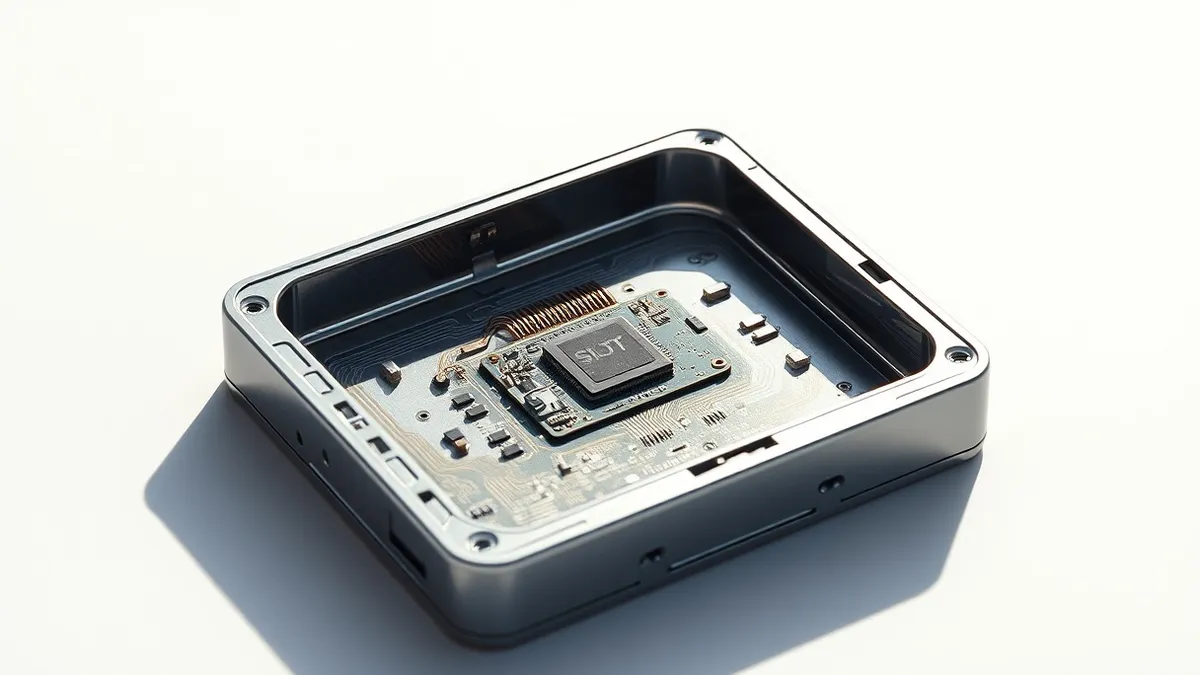
Key points
- Ledger confirms a hardware implant was present in specific devices.
- The affected wallets were sold by the reseller CryptoBilis.
- The incident resulted in the theft of more than $86 million.
Ledger, a maker of hardware cryptocurrency wallets, confirmed that the theft of more than $86 million involved devices sold by the reseller CryptoBilis. The company also confirmed the presence of a hardware implant in these devices. This statement addresses the immediate concerns regarding the source of the security breach that impacted hundreds of users.
According to The Verge, a spy implant in some Ledger crypto wallets may be the root of this $86 million supply chain attack. The financial loss exceeds $86 million and involves hundreds of individual wallets. Ledger’s statement identifies the hardware implant as a key factor in the incident, noting that the compromised units were distributed through CryptoBilis.
View the original post on X
View the original post on X
Context and Background
The Verge reported that Ledger attributed the breach to a spy implant within the hardware itself. This distinction points to a physical alteration of the device before it reached the end user. The attack vector was described as a tangible component added to the hardware supply chain. This type of intrusion implies physical access to the devices during manufacturing or distribution.
Ledger’s confirmation narrows the scope of the affected inventory to devices sourced through CryptoBilis. The reseller’s role is central to this incident, as the compromised units entered the market through their distribution network. This suggests that the tampering occurred before the devices were sold to customers, embedding the threat directly into the hardware sold by this specific third-party vendor.
Who Is Affected
Hundreds of Ledger wallet users are confirmed to have been affected by this theft. The total value of the stolen cryptocurrency is reported to be over $86 million. The theft involved devices sold by CryptoBilis, the reseller identified by Ledger in its statement. The scale of the theft indicates a significant number of compromised devices were in circulation through this channel.
Ledger did not provide a specific list of serial numbers or a date range for the affected units in the initial confirmation reported by The Verge. However, the involvement of CryptoBilis serves as the primary indicator for users to determine their risk. If a device was acquired directly from Ledger or other authorized retailers not linked to CryptoBilis, it may not be part of this specific batch of implanted hardware.
What should you do?
Users who purchased Ledger hardware through CryptoBilis should verify the authenticity and history of their devices immediately. Those who have experienced unauthorized transactions should contact their local authorities and Ledger support for assistance. Monitoring blockchain addresses associated with the compromised wallets can help track further movements of stolen funds. Until Ledger releases a comprehensive list of affected serial numbers, caution is advised for all devices sourced through third-party resellers.
What to do and how to stay safe: Ledger
- Verify the original purchase source of your hardware wallet to check if it came from CryptoBilis.
- Monitor your cryptocurrency accounts for any unauthorized outgoing transactions or address changes.
- Contact Ledger support directly to inquire about the status of your specific device model.
- Enable additional transaction confirmation settings on your wallet software to add a layer of review.
General security guidance from the Threat Times newsroom. It is not confirmed advice from the organisations named in this story.
Frequently asked questions
How much money was stolen in the Ledger hardware wallet breach?
More than $86 million was stolen from hundreds of affected wallets, according to The Verge.
Which reseller sold the compromised Ledger devices?
The compromised devices were sold by the reseller CryptoBilis, as confirmed by Ledger.
What caused the security breach in these wallets?
Ledger confirmed that a hardware implant, described as a spy implant, may be the root of the attack.