Home Insurer Stand Raises $70M Series C at $1B Valuation to Expand Wildfire Risk Modeling
San Francisco-based insurer Stand secured $70 million in Series C funding to scale its digital twin technology for pricing wildfire risk across insured properties.
Key points
- Stand raised $70 million in a Series C funding round at a $1 billion valuation.
- The insurer uses digital twins of homes to accurately price wildfire risk.
- The company currently insures more than $10 billion of property.
San Francisco-based home insurer Stand has closed a $70 million Series C funding round, valuing the company at $1 billion, according to a report by Fortune. The capital injection supports the insurer’s continued development of digital twin technology to assess and price wildfire risk for residential properties.
Stand uses detailed 3D models of neighborhoods to evaluate specific exposure to fire hazards. This technology allows the insurer to price policies based on granular risk data rather than broad regional averages. The company currently holds more than $10 billion in insured property value.
Technology and Methodology
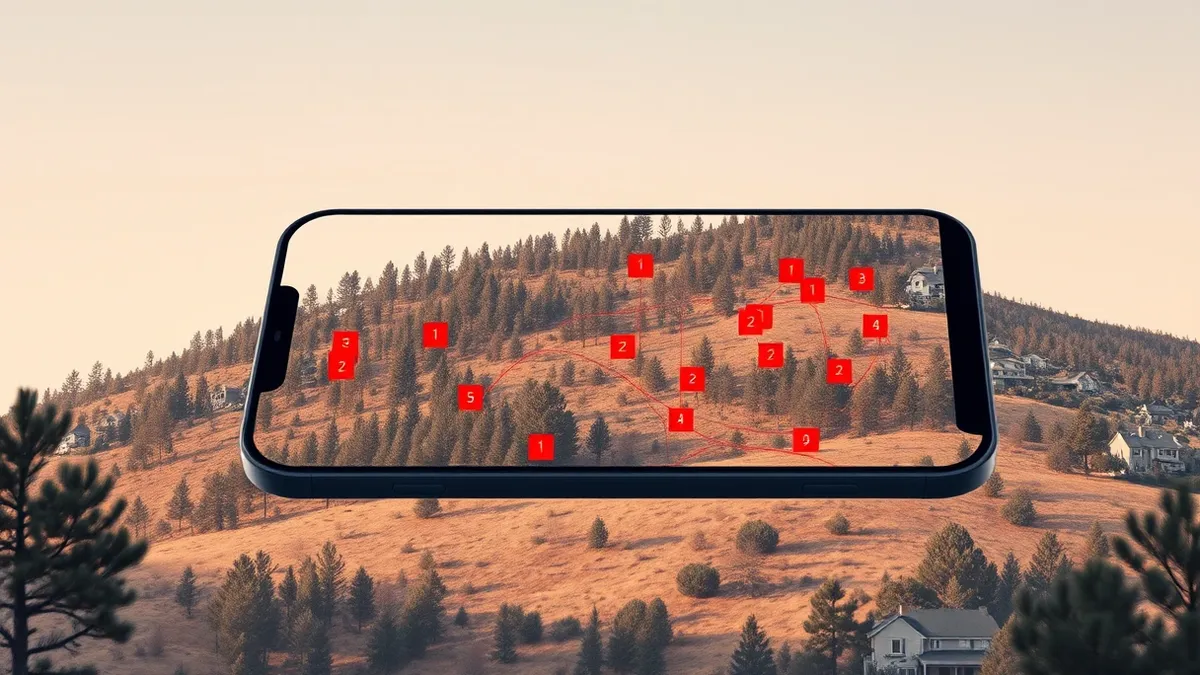
Matt DiStefano demonstrated the platform’s capabilities by displaying a 3D model of a California neighborhood. He rotated the gray digital replica to show structural details of individual houses. The model included an overlaid heat map to visualize potential wildfire impact on specific structures.
This visualization helps underwriters understand how fire might spread through a community. By zooming in on single homes, the system provides precise risk assessment data. The digital twin approach replaces traditional estimation methods with data-driven modeling of physical environments.
Market Position and Scale
The $1 billion valuation reflects investor confidence in Stand’s data-centric approach to insurance. With over $10 billion in insured property, the company has established a significant footprint in the market. The Series C round indicates a transition from early-stage growth to scaled operations.
Stand focuses specifically on wildfire risk, a growing concern in many regions. The company’s ability to model individual home risk factors sets it apart from competitors using broader geographic data. This specialized focus allows for more accurate pricing and risk management.
What should you do?
Professionals in the insurance and technology sectors should monitor how digital twin technology evolves. Understanding these modeling techniques can inform risk assessment strategies. Companies dealing with property insurance may need to adapt to more granular data requirements.
Regulators and consumers may also need to understand how these models influence pricing. Transparency in how digital twins calculate risk will be important. Stakeholders should track how insurers validate their models against actual loss data.
What to do and how to stay safe: Stand
- Review how your organization assesses wildfire risk and whether digital modeling could improve accuracy.
- Monitor regulatory developments regarding the use of algorithmic pricing in insurance markets.
- Evaluate the data sources used by insurers to ensure they are transparent and verifiable.
- Stay informed about how technology companies are partnering with insurers to manage climate-related risks.
Step-by-step guide: Mobile Device Security: How to Protect Data Beyond Passwords
General security guidance from the Threat Times newsroom. It is not confirmed advice from the organisations named in this story.
Frequently asked questions
How much funding did Stand raise in its latest round?
Stand raised $70 million in a Series C funding round.
What is Stand’s current valuation?
The company was valued at $1 billion following the funding round.
How does Stand assess wildfire risk?
Stand uses digital twins of homes to create detailed 3D models and heat maps for risk pricing.