Google Uses Earth AI to Forecast Disease Outbreaks and Aid Health Leaders
Google is applying artificial intelligence to satellite imagery to help public health officials predict outbreaks and reach vulnerable communities faster.
Key points
- Google is leveraging AI and Earth imagery to assist health leaders in overcoming reporting delays.
- The technology aims to forecast disease outbreaks before they spread widely.
- The initiative focuses on delivering care to vulnerable communities through proactive measures.
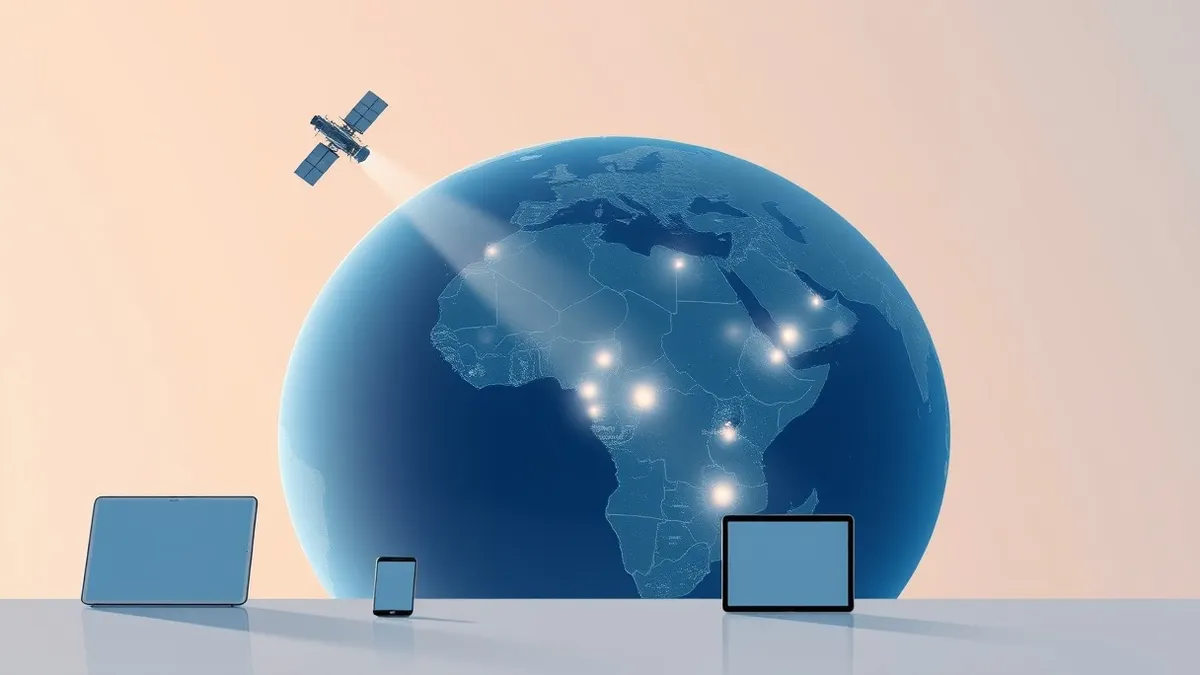
Google has announced a new initiative utilizing artificial intelligence and Earth imagery to enhance global public health monitoring. The company states that this technology is designed to help health leaders overcome significant reporting lags, forecast potential disease outbreaks, and deliver critical care to vulnerable communities more efficiently.
The core of this effort involves using AI to analyze data from Google Earth, providing insights that traditional reporting methods may miss due to delays or limited infrastructure. By processing this geospatial data, health officials can gain a more immediate understanding of conditions on the ground. This proactive approach allows for earlier intervention strategies, potentially reducing the impact of health crises before they escalate into widespread outbreaks.
Context and Background
Public health monitoring often relies on data that is reported after events have already occurred, creating a lag that can hinder effective response efforts. Google’s new approach seeks to bridge this gap by using AI to interpret satellite and earth observation data in real-time or near-real-time. This method enables health leaders to identify trends and anomalies that may indicate the onset of a disease outbreak or other health emergencies.
The integration of AI with Earth imagery represents a shift from reactive to proactive public health management. Instead of waiting for confirmed case reports, which can take days or weeks to aggregate, officials can use these insights to anticipate needs and allocate resources more effectively. This technology is particularly valuable in regions where traditional health reporting infrastructure may be limited or slow to respond.
Who Is Affected
The primary beneficiaries of this initiative are health leaders and public health officials responsible for monitoring and responding to disease outbreaks. These professionals will have access to enhanced data visualization and predictive analytics that can inform their decision-making processes. Additionally, vulnerable communities that are often the last to receive care during health crises stand to benefit from the faster identification of needs and more targeted delivery of medical resources.
Communities in remote or under-resourced areas may see the most significant impact, as AI-driven insights can help identify health risks in locations that are difficult to monitor through traditional means. By enabling earlier detection and response, the technology aims to reduce the burden on local health systems and improve outcomes for at-risk populations.
What should you do?
No immediate action is required for security or technology professionals regarding this announcement, as it pertains to public health infrastructure rather than cybersecurity threats or software vulnerabilities. Organizations involved in public health or humanitarian aid may wish to monitor Google’s further developments in this space for potential integration opportunities. There is no confirmed fix or patch associated with this news, as it is a product announcement rather than a security incident.
Frequently asked questions
How does Google Earth AI help with disease outbreaks?
Google Earth AI analyzes imagery to help health leaders forecast outbreaks and overcome reporting lags, allowing for earlier intervention.
Who is the target audience for this Google initiative?
The initiative is designed to assist health leaders and officials in delivering care to vulnerable communities more effectively.
Is there a security vulnerability associated with this announcement?
No, this announcement details a new application of AI for public health and does not involve any security vulnerabilities or CVEs.


