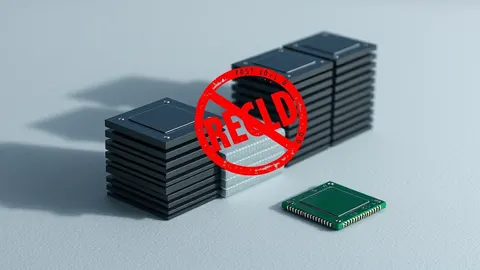
Global PC Shipments Drop 20% in Q3 2026 Amid Chip Shortages
IDC data shows a 15.8 million unit decline as AI demand drains memory supply, pushing prices up and delaying recovery until 2028.
Key points
- Global PC shipments fell 20.1% year-over-year in the third quarter of 2026, a loss of 15.8 million units.
- Memory prices surged as manufacturers pivoted to AI data centers, with some DDR5 kits costing over $3,300.
- Industry analysts predict the supply crunch will not ease until 2028 or 2029, keeping consumer prices elevated.
Global personal computer shipments contracted by 20.1 percent year-over-year during the third quarter of 2026, according to research firm IDC Global. This decline represents a loss of 15.8 million units and marks a steeper drop than the 3.8 percent decrease recorded in the previous quarter. The market also fell 9.1 percent compared to the second quarter of 2026.
The sharp downturn was exacerbated by supply chain constraints and shifting manufacturing priorities. Memory chip producers are redirecting capacity toward high-bandwidth memory for artificial intelligence workloads, leaving fewer resources for consumer devices. Consequently, major vendors including Lenovo, HP, and Dell faced the most significant impacts from the reduced availability of essential components.
Supply Shifts and Price Inflation
The root cause of the shortage lies in the booming demand for AI data centers. Hyperscalers are investing heavily in hardware to support AI GPUs, which requires specialized HBM memory. This shift has forced memory manufacturers to prioritize data center production over consumer-grade chips. For instance, Micron discontinued its Crucial RAM and SSD brand in late 2025 to focus exclusively on data center output.
This reallocation of production capacity has driven consumer memory prices to extreme levels. According to Tom’s Hardware, memory costs climbed by as much as 500 percent. A single 128GB DDR5 memory module now retails for approximately $3,399. These inflated costs have suppressed consumer demand, as buyers are unwilling to pay premium prices for standard computing hardware during this period of scarcity.
Market Dynamics and Future Outlook
Vendors attempted to mitigate the impact by stocking up on inventory during the second quarter of 2026. This strategy aimed to avoid projected price hikes but ultimately disrupted normal seasonal sales patterns. IDC consumer devices research director Jitesh Ubrani noted that early inventory loading threw off the usual trend where third-quarter sales exceed second-quarter figures.
Channels are now concerned about holding excess stock in a market where high prices limit sales volume. Ubrani suggested this could lead to promotions and short-term relief for consumers, but he warned that prices will remain elevated. Memory chip manufacturers estimate the situation will not improve until 2028 or 2029, while Acer believes prices may begin to decline by late 2027.
What should you do?
Security and technology professionals should monitor procurement costs and adjust budget forecasts for 2027 and 2028. Organizations planning hardware refreshes should evaluate whether current systems can be extended to avoid peak pricing periods. IT managers should also review inventory levels to ensure they are not holding excess stock that may depreciate if market conditions shift.
What to do and how to stay safe: IDC
- Audit existing hardware lifecycles to determine if replacements can be delayed until supply stabilizes.
- Negotiate long-term supply agreements with vendors to lock in pricing before further market volatility.
- Monitor quarterly IDC reports for signs of inventory normalization or price corrections.
- Evaluate cloud-based alternatives to reduce reliance on on-premises hardware during the shortage.
General security guidance from the Threat Times newsroom. It is not confirmed advice from the organisations named in this story.
Frequently asked questions
How much did PC shipments drop in Q3 2026?
Global PC shipments dropped by 20.1 percent year-over-year, equating to a decline of 15.8 million units.
Why are memory prices so high?
Manufacturers are pivoting production to HBM for AI data centers, reducing supply for consumer memory and driving prices up by as much as 500 percent.
When will the chip shortage improve?
Memory chip manufacturers estimate the situation will not improve until 2028 or 2029, though Acer expects price declines by late 2027.