Developer ports Pixel 11 Rambler voice-to-text to other Android devices
A modified Gboard app brings Google's AI-enhanced Rambler transcription to non-Pixel Android phones via sideloading.
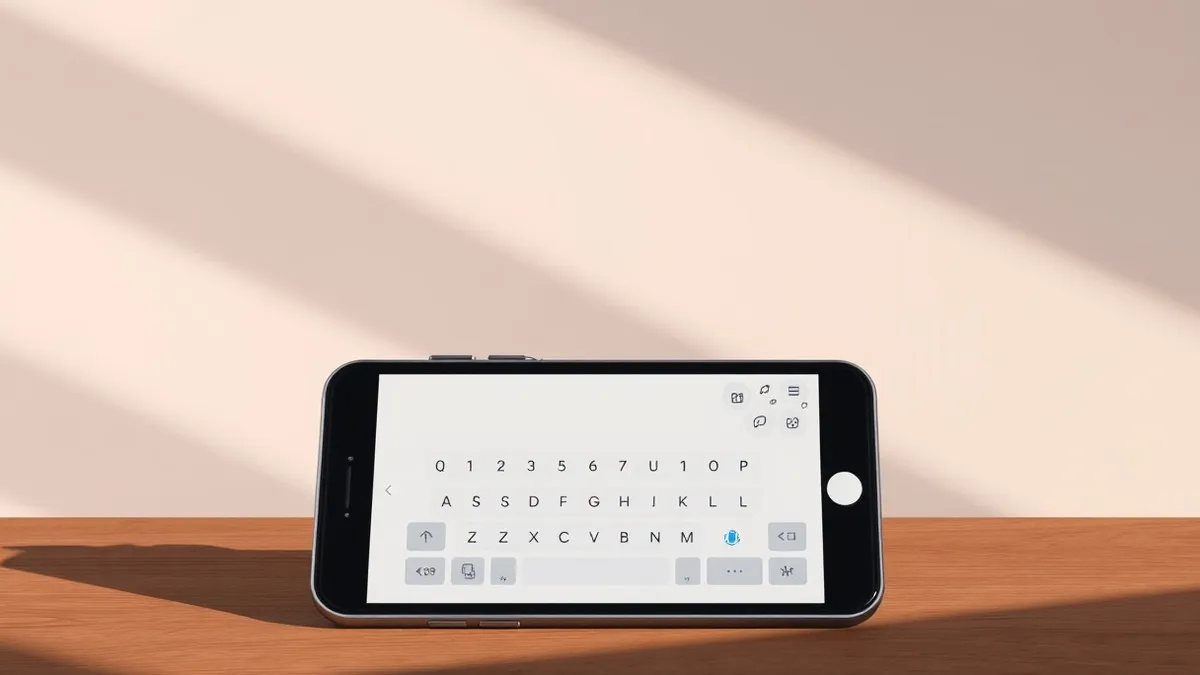
Key points
- PixelBoard is a fork of Gboard that unlocks Rambler voice-to-text for other Android devices.
- The developer states the project is based on the official Gboard app with modifications.
- Installation involves sideloading from GitHub or patching existing Gboard, carrying inherent risks.
A developer has created a modified version of Google’s Gboard application that enables the Rambler voice-to-text feature on Android devices other than the Pixel 11 series. According to a report by 9to5Google, this modification allows users to access the AI-enhanced transcription tool through sideloading or by patching their current installation, though the process carries security risks.
The modified application, named PixelBoard, functions as a split-off from the official Gboard app. The developer explained in a Reddit post that the project modifies the base application to unlock Rambler and other new writing tools. This workaround addresses the limitation that Rambler is currently exclusive to Google’s Pixel 11 and Googlebook hardware.
How Rambler Works
Rambler is an AI-enhanced voice-to-text feature that processes spoken input to generate formatted text. The system removes filler words and corrects grammar, providing a polished result rather than a literal transcription. While the feature improves upon traditional voice-to-text methods, it does not offer a live preview or word-for-word output, which some users may find unsettling.
The porting of this feature to other devices highlights the demand for Google’s latest software capabilities beyond its own hardware ecosystem. The developer’s modification essentially bypasses the hardware restrictions normally applied to the feature. This allows the AI processing tools to run on a wider range of Android smartphones.
Who Is Affected
Users of non-Pixel Android phones can now access Rambler if they are willing to install applications outside the Google Play Store. The 9to5Google report notes that the modified app was successfully installed on a Samsung Galaxy Z Fold 8. The installation process involves downloading the application from the project’s GitHub page or using other methods provided by the developer.
This development affects Android users who wish to use advanced AI transcription tools but do not own a Pixel 11. However, installing such modified applications requires sideloading, which introduces potential security vulnerabilities. Users must weigh the convenience of the feature against the risks associated with unverified software sources.
What should you do?
It remains unclear whether Google plans to officially bring Rambler to other Android devices in the future. For users who prefer to stick with official Play Store applications, Microsoft’s SwiftKey is cited as a viable alternative. Those interested in the modified Gboard must accept the risks associated with installing third-party software on their devices.
What to do and how to stay safe: Google
- Avoid sideloading modified system apps unless you fully understand the security implications of bypassing app store verification.
- Review the permissions requested by any third-party keyboard application before granting access to sensitive data.
- Monitor official channels from device manufacturers for any potential security patches related to modified system components.
- Consider using established, store-approved keyboard alternatives if you require advanced voice-to-text features without security risks.
General security guidance from the Threat Times newsroom. It is not confirmed advice from the organisations named in this story.
Frequently asked questions
What is PixelBoard?
PixelBoard is a modified version of Gboard created by a developer to unlock the Rambler voice-to-text feature on non-Pixel Android devices.
Is Rambler available on all Android phones?
No, Rambler is officially exclusive to the Pixel 11 and Googlebook, but it can be accessed on other devices through this third-party modification.
How can users install the modified app?
Users can install the app by sideloading it from the project’s GitHub page or by patching their existing Gboard installation.


