Chinese Tech Giants Reportedly Spend $35 Billion on Nvidia RTX Pro 5500 Orders
Alibaba, Tencent, and ByteDance reportedly ordered 3 million export-compliant GPUs, far exceeding Nvidia's production capacity for the chip.
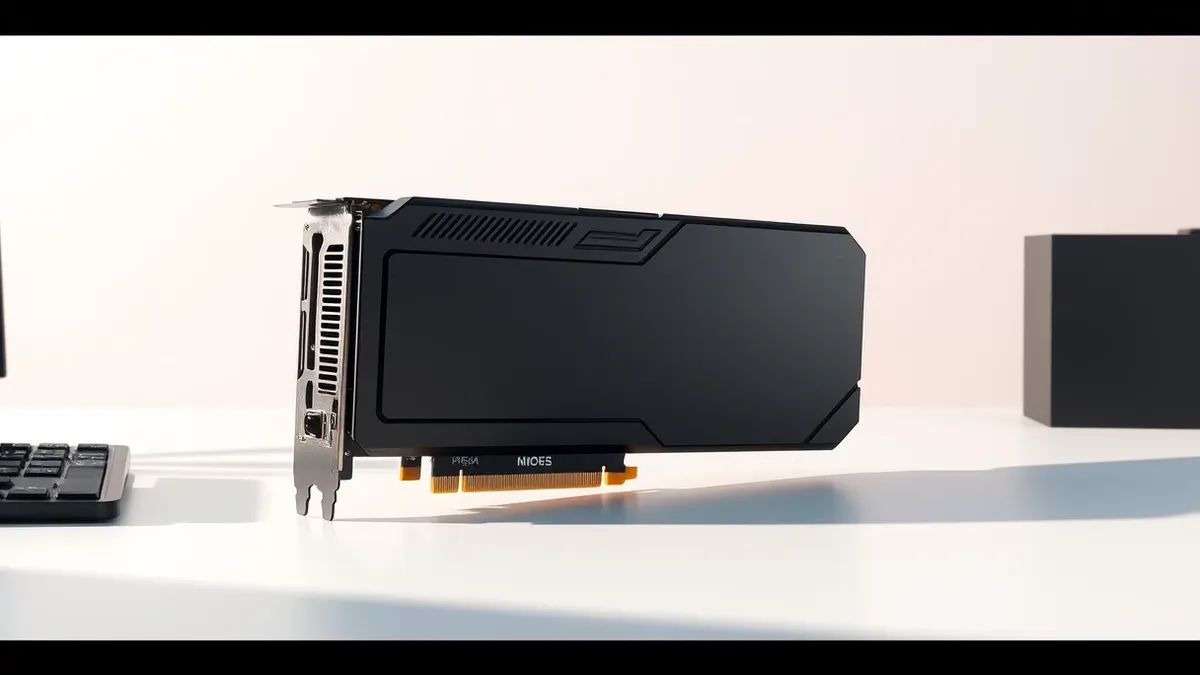
Key points
- Chinese firms reportedly spent $35 billion on over 3 million Nvidia RTX Pro 5500 GPUs.
- The orders vastly exceed Nvidia's planned production, with potential fulfillment at only 5-10%.
- The RTX Pro 5500 is compliant with U.S. export restrictions, unlike more powerful enterprise chips.
Chinese technology companies Alibaba, Tencent, and ByteDance have reportedly ordered more than 3 million Nvidia RTX Pro 5500 workstation graphics processing units. According to a report by Tom's Hardware, these orders represent a total value of over $35 billion, driven by the chip's compliance with current U.S. export regulations.
The sheer volume of these requests has reportedly overwhelmed Nvidia's manufacturing plans for the RTX Pro 5500. Sources cited by Tom's Hardware indicate that Nvidia has informed its partners it cannot fill the complete orders. The company may only be able to deliver between 5% and 10% of the total demand from these three major Chinese technology firms.
Production Constraints and Chip Specifications
The RTX Pro 5500 is a workstation GPU featuring the same CUDA core count as Nvidia's flagship RTX 5090, but it includes 84GB of GDDR7 memory. This configuration makes the card suitable for artificial intelligence applications while remaining exempt from the strict U.S. export bans applied to more powerful enterprise chips like the H200 and B300.
Nvidia's global production capacity for the RTX Pro 5500 is reportedly limited to 3 million units in 2027. This figure matches the volume of the reported orders from just three companies, highlighting a significant gap between demand and supply. The cards are priced at approximately $11,400 each, contributing to the massive total order value.
Market Context and Vendor Response
Neither Nvidia nor the three Chinese technology companies have officially confirmed the details of these orders on the record. However, an Nvidia spokesperson told Reuters that demand for these chips in China has seen unprecedented growth since 2022. This surge follows the introduction of U.S. export controls that restrict the sale of high-performance AI hardware to Chinese entities.
The Nvidia representative stated that U.S. firms are restricted by a combination of outdated export controls covering older gaming products and China's own limits on U.S. imports. The RTX Pro 5500 has become a critical component for Chinese firms competing in the development of new AI models, as other advanced GPUs remain banned or heavily restricted.
What should you do?
IT procurement teams should monitor supply chain announcements for potential shortages of workstation GPUs. Organizations relying on Nvidia hardware for AI workloads should evaluate alternative compliant chips to mitigate risk. Security professionals should review vendor contracts for clauses related to export compliance and supply delays.
What to do and how to stay safe: Nvidia
- Review current hardware procurement strategies to identify dependencies on specific GPU models that may face supply constraints.
- Evaluate alternative AI-capable hardware from vendors not subject to the same export restrictions or production bottlenecks.
- Monitor official statements from chip manufacturers for updates on production volumes and delivery timelines for compliant products.
- Ensure internal compliance teams are aware of evolving U.S. export regulations that may impact hardware acquisition and deployment.
Step-by-step guide: Mobile Device Security: How to Protect Data Beyond Passwords
General security guidance from the Threat Times newsroom. It is not confirmed advice from the organisations named in this story.
Frequently asked questions
Which Chinese companies reportedly ordered the Nvidia GPUs?
According to the report, Alibaba, Tencent, and ByteDance placed the orders for the RTX Pro 5500 GPUs.
Why is the RTX Pro 5500 popular in China?
The chip is fully compliant with U.S. export restrictions, unlike more powerful enterprise GPUs such as the H200 and B300.
Has Nvidia confirmed the $35 billion order volume?
No, neither Nvidia nor the three Chinese companies have confirmed the order details on the record.