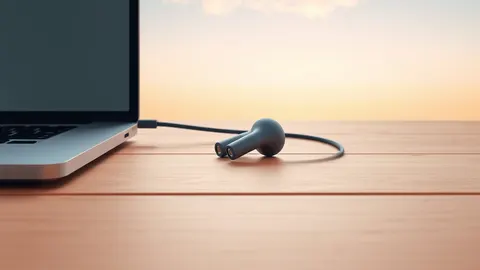
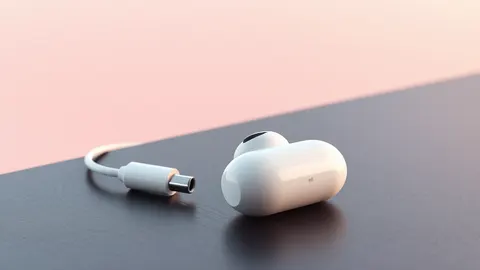
Bose Launches $99 USB-C Wired Earbuds With Active Noise Cancellation
Bose introduces wired earbuds that draw power from USB-C ports to enable active noise cancellation, marking a return to the wired market.
Key points
- Bose releases Noise Cancelling Wired Earbuds priced at $99 that connect via USB-C.
- The USB-C connection provides power for active noise cancellation without an internal battery.
- Sales of wired earbuds increased this year after five years of decline, according to The Verge.
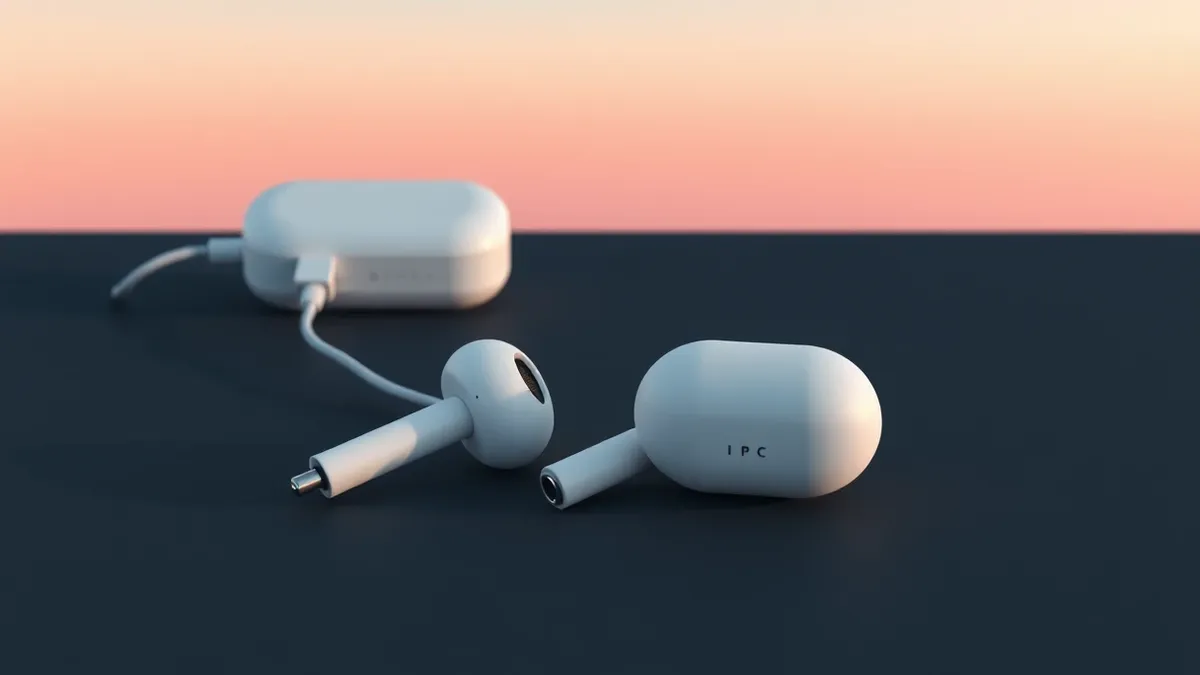
Bose has introduced the Noise Cancelling Wired Earbuds, a new product that connects to devices via USB-C rather than Bluetooth. Priced at $99, these earbuds represent a return to the wired audio market for the company, leveraging the USB-C port to power active noise cancellation features without requiring a separate battery pack.
The device draws the minimal power needed for active noise cancellation directly from the USB-C port of a phone or computer. This design allows the earbuds to function without the rechargeable battery pack used in Bose’s 2013 QuietComfort 20 model, which relied on a 3.5mm jack and an external power source for its noise-canceling capabilities.
Market Context and Trends
According to The Verge, sales of wired earbuds increased this year, reversing a five-year decline in the category. This resurgence is partly attributed to a trend among younger generations who view wired audio as cool, similar to the revival of vinyl records and tape decks. Celebrities have been spotted wearing wired earbuds, and social media accounts now track this fashion trend.
Wired earbuds offer practical advantages over wireless alternatives, including longer usage times since they do not rely on internal batteries that eventually die. Additionally, the long cable makes it significantly harder to lose a wired pair compared to single wireless earbuds, which are prone to being misplaced.
Technical Comparison and Competitors
Most wired earbuds, ranging from inexpensive off-brand models to high-end audiophile in-ear monitors, rely solely on passive isolation because 3.5mm or 4.4mm analog connectors do not provide enough power for active noise cancellation. Bose’s new earbuds bypass this limitation by using the digital USB-C connection, which can supply the necessary electricity for the noise-canceling circuitry.
Other manufacturers have released USB-C wired headphones with active noise cancellation, but options are limited. The Verge notes the $30 Belkin SoundForm ANC Wired Earbuds, which reportedly have weak noise-canceling performance. Audio-Technica also released a similar pair of earbuds in Asia earlier this year, but Bose’s offering is one of the few prominent examples in this niche.
What should you do?
Users considering a switch to wired audio should verify that their devices support USB-C audio output, as not all ports carry audio signals. Those currently using wireless earbuds should compare the convenience of battery-free operation against the potential hassle of managing a physical cable.
What to do and how to stay safe: Bose
- Verify that your smartphone or laptop USB-C port supports audio output before purchasing USB-C earbuds.
- Check if your current wireless earbuds offer active noise cancellation and compare the performance expectations.
- Assess whether the lack of battery charging requirements fits your daily usage patterns and travel needs.
- Review competitor options like Belkin or Audio-Technica to compare pricing and reported noise-canceling effectiveness.
Step-by-step guide: Mobile Device Security: How to Protect Data Beyond Passwords
General security guidance from the Threat Times newsroom. It is not confirmed advice from the organisations named in this story.
Frequently asked questions
Do Bose Noise Cancelling Wired Earbuds require charging?
No, the earbuds draw the minimal power needed for active noise cancellation directly from the USB-C port of the connected device, eliminating the need for a battery pack.
Why are wired earbuds becoming popular again?
According to The Verge, sales increased this year after a five-year decline, driven by a trend among younger generations and celebrities who view wired audio as fashionable.
How do these earbuds differ from previous Bose wired models?
Unlike the 2013 QuietComfort 20, which used a 3.5mm jack and a battery in the cable for ANC, the new earbuds use USB-C to power noise cancellation without an external battery.