Apple Expands iOS Keyboard Support for Indigenous Languages in iOS 27
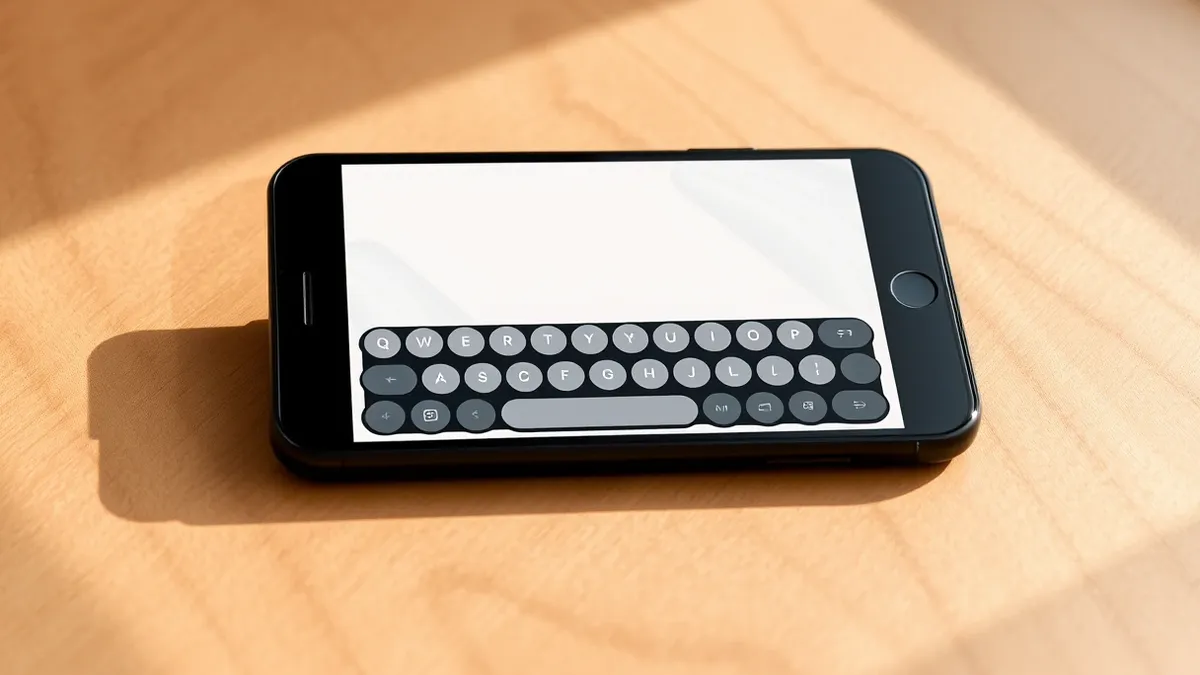
Apple added Blackfoot, Comanche, and Northern East Cree to iOS keyboards in version 27, continuing its multi-year effort to integrate Indigenous languages into mobile devices.
Key points
- Apple added support for Blackfoot, Comanche, and Northern East Cree in iOS 27.
- Cherokee was the first Native American language included in iOS, launching in 2010.
- The Cherokee Nation currently has approximately 1,500 active speakers, most of whom are over 70.
Apple expanded its support for Indigenous languages in iOS 27 by adding keyboards for Blackfoot, Comanche, and Northern East Cree. This update continues the company’s ongoing effort to integrate Native American languages into its mobile operating system, following the addition of Haitian Creole and Nez Perce in the previous iOS 26 release.
The integration of these languages is part of a broader strategy to meet young users on their primary digital platforms. According to Wired, Apple states that this process is not merely a translation task but a multi-year endeavor requiring deep research and collaboration with community experts. The company works directly with Indigenous communities to ensure accurate and culturally appropriate implementation of these language tools on iPhone keyboards.
Historical Context and Collaboration
Cherokee was the first Native American language included in iOS when Apple launched support in 2010. Since then, the company has expanded its iOS keyboard to support more than 200 languages and language variants. The Cherokee Nation has maintained a long-standing collaboration with Apple to facilitate this integration. Chuck Hoskin Jr., principal chief of the Cherokee Nation, emphasized the importance of these partnerships in accelerating language revitalization efforts.
Hoskin Jr. noted that the community faces significant challenges in preserving its language, citing historical factors such as colonization, displacement, and boarding schools as major obstacles. He described the current situation as a mathematical urgency, given the rapid decline in the number of active speakers. The community is actively training second-language learners and running baby immersion programs to ensure the next generation speaks Cherokee.
Impact on Language Preservation
The Cherokee Nation currently has around 1,500 active speakers, with the majority of them being over the age of 70. Hoskin Jr. stated that the community is rapidly losing this older generation of speakers. To counter this trend, the nation has focused on making the language accessible through modern technology. He highlighted that children are now exposed to Cherokee in creative contexts, such as dubbed versions of popular animated films like How to Train Your Dragon.
This shift from rote classroom instruction to immersive, creative engagement helps spark imagination and improves literacy. Hoskin Jr. observed that hearing the language in a mother tongue context is a significant change from a generation ago. The goal is to revitalize the language by integrating it into the daily digital lives of young people, who spend much of their waking hours on phone screens.
What should you do?
Security and technology professionals should monitor how language support updates are implemented in operating systems to ensure they do not introduce vulnerabilities. Organizations working with Indigenous communities should verify that digital tools respect cultural protocols and data sovereignty. Users interested in language preservation can check for new keyboard options in their device settings after updating.
What to do and how to stay safe: Apple
- Review device settings to enable newly added language keyboards for personal or educational use.
- Verify that software updates from vendors include proper security patches alongside new features.
- Consult with community leaders when deploying technology intended for language preservation efforts.
- Monitor official vendor channels for documentation on how specific language features are implemented.
General security guidance from the Threat Times newsroom. It is not confirmed advice from the organisations named in this story.
Frequently asked questions
Which Indigenous languages were added to iOS 27?
Apple added support for Blackfoot, Comanche, and Northern East Cree in iOS 27.
When was Cherokee first included in iOS?
Cherokee was the first Native American language included in iOS in 2010.
How many active Cherokee speakers remain?
The Cherokee Nation has around 1,500 active speakers left, most of whom are over 70.