Trellix Analysis Warns AI Agents Leak Credentials via Developer Tool Workflows
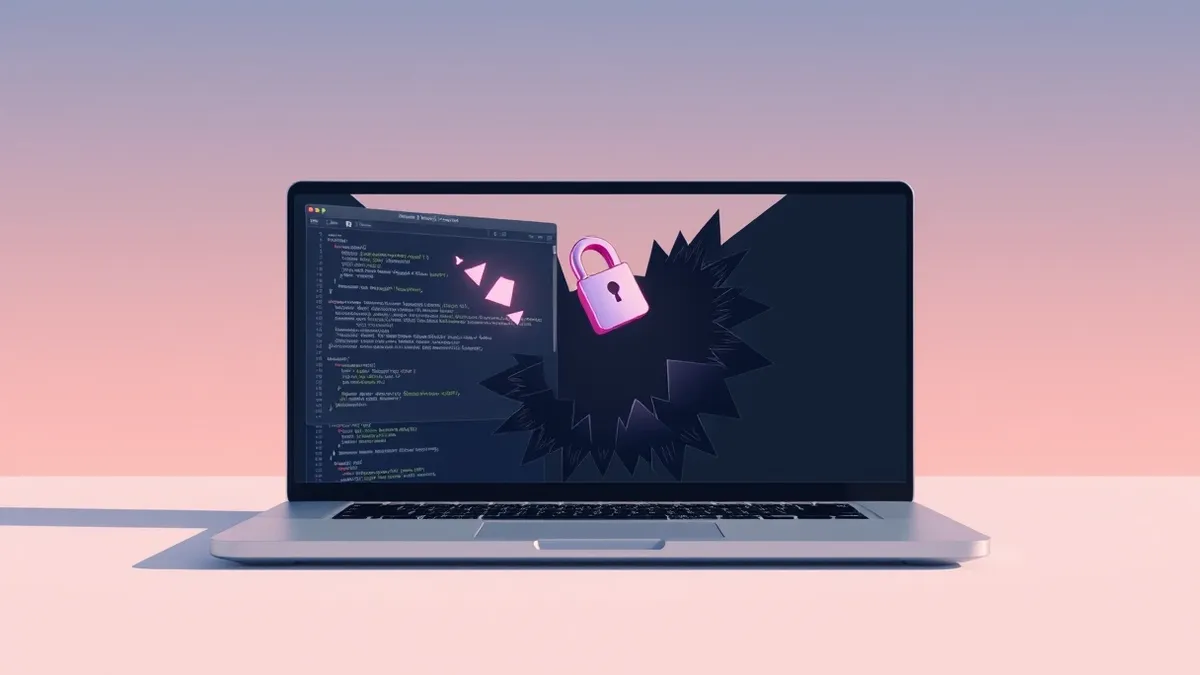
Research indicates that AI coding assistants can inadvertently expose sensitive authentication tokens by moving them from secure storage into command lines and logs.
Key points
- AI agents inherit developer privileges and translate requests into shell commands, exposing secrets in arguments and outputs.
- Trellix researcher identified this as the "unseen credential surface," noting that legitimate automation weakens isolation.
- Configuration files and OAuth tokens can leave workstations through ordinary model requests to cloud-backed agents.
Trellix researcher published an analysis on October 14 warning that AI agents handling routine development tasks can expose credentials. The study describes an architectural risk where secrets move from protected stores into command arguments, logs, and external model inputs. This exposure occurs without malware or direct exploitation, relying instead on the standard operation of trusted developer tools.
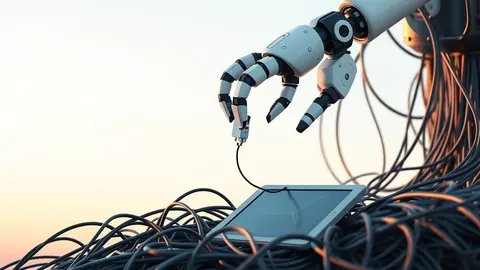
The core issue stems from how agents inherit developer privileges and process information. They repeatedly translate user requests into shell commands, consume the output, and decide subsequent actions. This feedback loop can pull authentication material into the agent’s working context. Instead of remaining confined to the specific component authorized to use the secret, credentials become part of the broader operational data stream.
Credential Movement and Isolation Risks
Trellix frames this problem through an isolation gradient involving encrypted storage, process memory, command lines, and external destinations. Each transition in this chain can broaden access or extend retention periods. A token retrieved legitimately from a keystore becomes substantially more exposed when inserted into a command argument or returned verbatim in tool output. The confidentiality of the credential deteriorates even if the API request itself remains authorized.
One specific example involves an agent retrieving an OAuth token to query Microsoft Graph. Placing that token inside the Authorization header argument for a curl command exposes it through command-line inspection and process telemetry. Depending on system configuration, the command may also survive in shell history, agent transcripts, or diagnostic records. This creates a persistent trail of sensitive data that was previously isolated.
Reading configuration files presents another route for exposure. Files such as .env, AWS credential profiles, Kubernetes configurations, and package-manager settings often contain reusable authentication material. When an agent reads these files, the contents can enter a cloud-backed agent’s context. Consequently, secrets can leave the local workstation through ordinary model requests sent to external services.
Scope and Mitigation Context
OWASP similarly warns that coding assistants transmit terminal output and project context that may contain credentials. However, this outcome is deployment-dependent and not universal across all environments. Locally hosted models, output filtering, restricted file access, and provider-specific retention arrangements can change the exposure level. Human-operated terminals can also generate remote logs, but the additional agent risk involves the automated ingestion of sensitive output into model context.
That suggests organizations must review their agent configurations carefully to prevent unintended data exfiltration. The risk is not inherent malice in the tools but rather the architectural design of how agents handle privileged access. Trellix researcher labeled this the "unseen credential surface," emphasizing that legitimate automation can weaken credential isolation. Security teams need to monitor how agents interact with shell commands and external models to maintain control over sensitive data.
What should you do?
Security professionals should assess how AI agents interact with local file systems and command lines. Review configurations for logging and telemetry to ensure sensitive outputs are not retained unnecessarily. Monitor for automated ingestion of terminal data into cloud-based models.
What to do and how to stay safe: Trellix
- Audit AI agent permissions to ensure they only access necessary files and do not inherit excessive developer privileges.
- Implement output filtering to prevent credentials from being included in logs, transcripts, or command-line arguments.
- Use locally hosted models where possible to keep sensitive context and terminal output within the internal network.
- Review provider-specific retention arrangements to understand how long agent interactions and inputs are stored externally.
Step-by-step guide: Social Engineering Warning Signs and How to Respond
General security guidance from the Threat Times newsroom. It is not confirmed advice from the organisations named in this story.
Frequently asked questions
Do AI agents intentionally steal credentials from developer tools?
No, the exposure is not due to malicious intent but rather the architectural design that moves secrets from protected stores into command lines and logs.
Can this exposure happen with locally hosted AI models?
Yes, but deployment choices like locally hosted models, output filtering, and restricted file access can significantly reduce the risk of remote exposure.
What specific files are at risk of having their contents exposed?
Configuration files such as .env, AWS credential profiles, Kubernetes configurations, and package-manager settings may contain reusable authentication material.