Microsoft President Says AI Lacks Safety Rules That Govern Milk
Brad Smith told ITV that artificial intelligence faces fewer safety regulations than dairy products, hoping the UK will lead on policy.
Key points
- Microsoft president Brad Smith stated that AI currently faces fewer safety regulations than everyday items like milk or washing machines.
- US President Donald Trump favors industry self-regulation over government mandates, leading to a pact signed by major AI executives.
- Smith expressed hope that the lack of US federal action creates an opportunity for the UK to establish global AI regulatory standards.
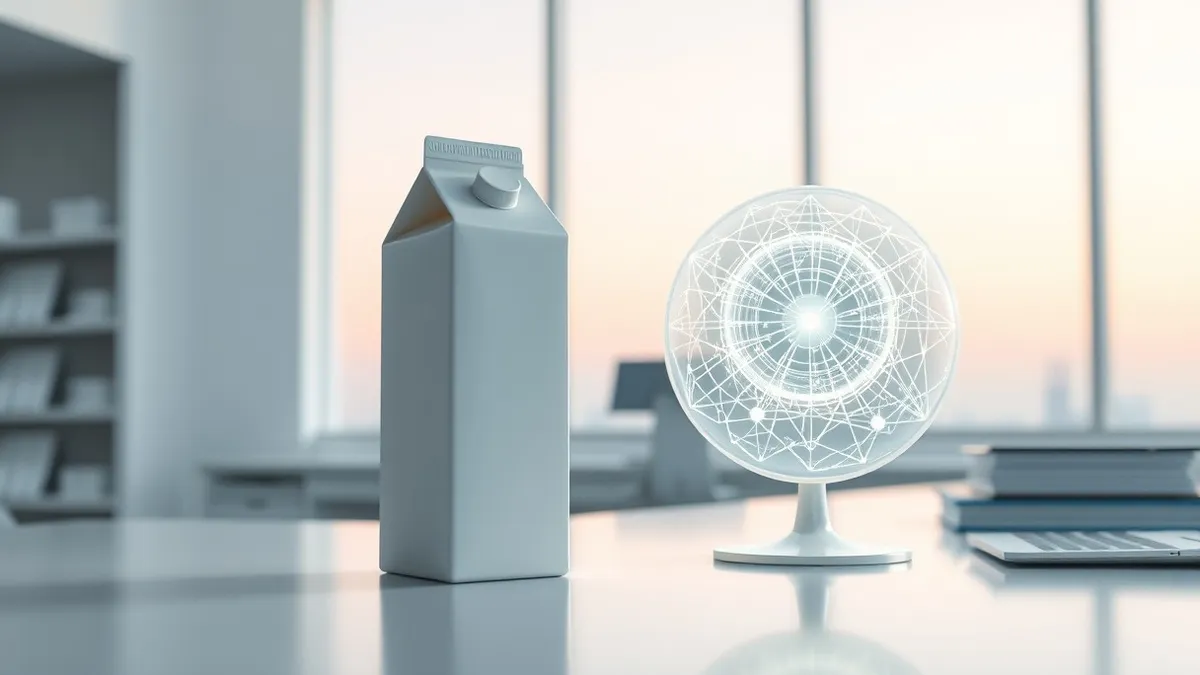
Microsoft president Brad Smith told ITV on Friday that artificial intelligence systems are subject to fewer safety regulations than common consumer goods. Smith argued that while milk cannot hack organizations, it undergoes strict safety inspections, whereas AI faces a regulatory void that poses significant risks to cybersecurity and government infrastructure.
Smith emphasized that the current regulatory landscape allows powerful AI models to operate without the same oversight applied to physical products. He noted that washing machines are subject to more safety rules than AI systems, highlighting a critical gap in how society manages high-risk technologies compared to mundane household appliances.
Context of US Policy
US President Donald Trump has stated that the US AI industry needs to accelerate development to maintain a lead over China. Rather than imposing government regulations, Trump prefers that AI companies regulate themselves. This approach contrasts with calls from major AI developers like Anthropic, OpenAI, and Google's DeepMind, who have spoken in favor of slowing down AI development to ensure safety.
At a summit described as focusing on super intelligence, several AI leaders signed a pact with key tenets including self-regulation. The agreement includes safeguards to prevent models from going rogue and the use of independent auditors to assess model safety. This voluntary framework reflects the administration's preference for industry-led measures over federal mandates.
Reactions to Self-Regulation
Critics have expressed skepticism regarding the self-regulation pact signed by major technology executives. According to the BBC, one critic stated that the agreement allows firms to define what counts as safety themselves. Another critic said that the accord should be ignored for the distraction it is.
The participants in the pact included Google's Sundar Pichai, Anthropic's Dario Amodei, Mark Zuckerberg, OpenAI President Greg Brockman, Elon Musk, and NVIDIA CEO Jensen Huang. Critics were unimpressed by the agreement, questioning the effectiveness of allowing companies to set their own safety standards without external enforcement or rigorous independent oversight.
UK Regulatory Opportunity
Smith believes that the lack of decisive US action provides a unique opening for the United Kingdom to lead in AI regulation. He noted that Washington DC does not view London with the same regulatory scrutiny it applies to Brussels, which he identified as a strategic strength for the UK. Smith expressed hope that both his company and the UK government can play a leading role in establishing global standards.
Smith stated that the moment has arrived for action when considering models powerful enough to put global cybersecurity at risk. He argued that the UK is well-positioned to fill the regulatory gap left by the US, potentially setting a precedent for how other nations manage the safety and security of advanced artificial intelligence systems in the future.
What should you do?
Security professionals should monitor developments in UK AI regulation, as these policies may influence global compliance requirements. Organizations should review their current AI usage policies to ensure they align with emerging safety standards and independent audit requirements. Teams should assess the risk profiles of the AI models they employ, particularly those from major providers involved in self-regulation pacts.
What to do and how to stay safe: Microsoft
- Monitor UK regulatory developments to anticipate future compliance requirements for AI systems used in your organization.
- Review internal policies regarding the deployment of large language models and other advanced AI tools to ensure alignment with safety best practices.
- Evaluate the risk management frameworks of AI vendors, specifically looking for evidence of independent auditing and robust safety safeguards.
- Ensure that cybersecurity teams are briefed on the potential risks associated with powerful AI models, as highlighted by industry leaders.
Step-by-step guide: Social Engineering Warning Signs and How to Respond
General security guidance from the Threat Times newsroom. It is not confirmed advice from the organisations named in this story.
Frequently asked questions
Why is Brad Smith comparing AI regulation to milk?
Smith uses milk to illustrate that everyday products face strict safety inspections, while powerful AI systems currently operate with fewer regulatory constraints despite posing significant security risks.
Who signed the AI self-regulation pact?
Executives including Sundar Pichai, Dario Amodei, Mark Zuckerberg, Greg Brockman, Elon Musk, and Jensen Huang signed the pact advocating for industry-led safety measures.
What is the US government's stance on AI regulation?
President Donald Trump favors industry self-regulation and accelerating AI development to compete with China, rather than implementing strict government safety rules.


