Tenable Launches OPEN for AI to Link Exposure Data With Third-Party Security Tools
Tenable expands its partner ecosystem with new AI workflows that integrate exposure intelligence with external threat detection and incident response platforms.
Key points
- Tenable announced Tenable OPEN for AI to connect its exposure management data with external AI models and security partners.
- Initial launch partners include SentinelOne, Corelight, Splunk, Recorded Future, and ten other security vendors.
- The platform supports standardized Model Context Protocol connectors and direct APIs for custom agentic workflows.
Exposure management vendor Tenable Holdings announced the launch of Tenable OPEN for AI, aiming to streamline integrated security workflows. According to Industrial Cyber, the new initiative allows organizations to combine Tenable’s asset exposure intelligence with their preferred artificial intelligence models and third-party security tools.
The program delivers validated, ready-to-use AI workflows through the Tenable Open Partner Exchange Network. This expansion enables security teams to investigate risks, prioritize exposures, and take action faster by connecting disparate parts of the technology stack. The solution avoids forcing users into a single proprietary platform.
Integration Architecture and Partner Ecosystem
Eric Doerr, chief product officer at Tenable, stated that the company offers an unrestricted, vendor-agnostic ecosystem of validated AI use cases. He emphasized that the platform supports both standardized Model Context Protocol connectors and direct APIs. This technical approach provides security teams the freedom to integrate their chosen AI tools and build custom agentic workflows without artificial restrictions.
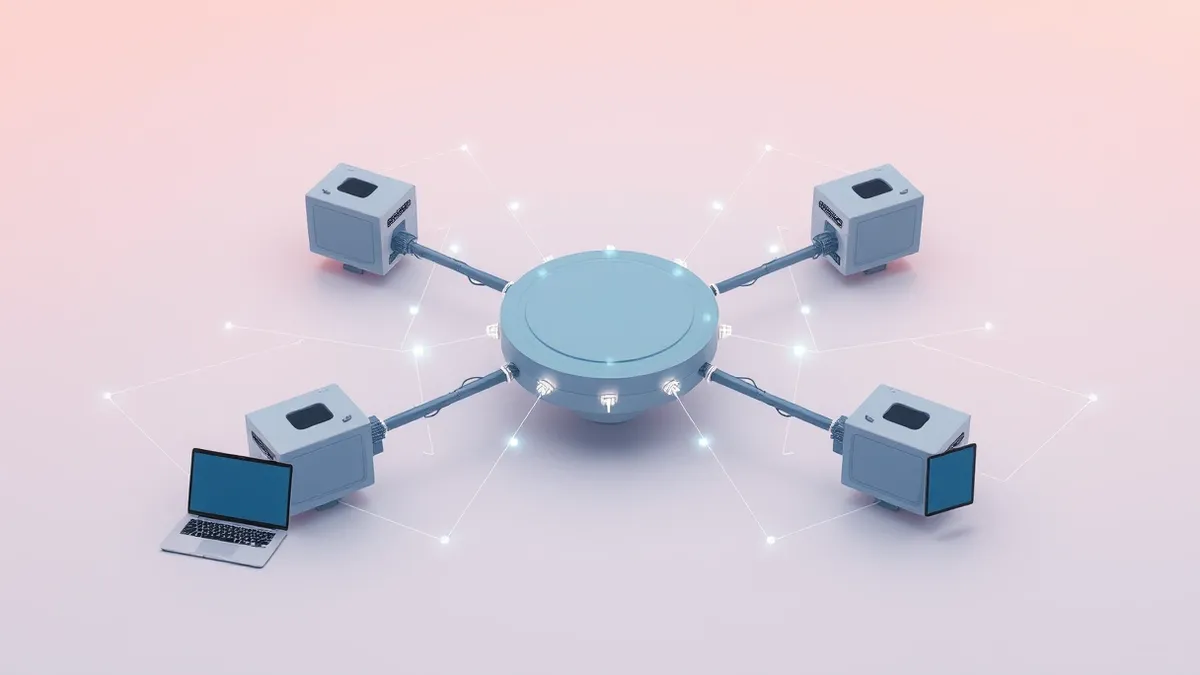
Tenable OPEN for AI connects the Tenable Hexa AI MCP Server with partner MCP servers via existing customer AI tools. This architecture allows users to interact with datasets across multiple vendors simultaneously. It unlocks cross-platform visibility and action capabilities without requiring custom software development efforts from the customer.
Initial Use Cases and Market Participants
Each available use case comes in two forms: a documented workflow replicable through the Tenable Hexa AI MCP Server, or a ready-to-use skill on the CyberAgents Exchange. The marketplace is described as a vendor-agnostic AI agent marketplace powered by Tenable. This dual availability ensures flexibility for different operational preferences.
Launch partners for the initiative include BeyondTrust, Cohesity, Command Zero, Corelight, Infoblox, Recorded Future, Securonix, SentinelOne, Setyl, Snyk, Sparkle In, and Splunk. These partners collaborate to provide specific security capabilities integrated with Tenable’s data.
Two featured use cases are available immediately. The first involves cross-platform security triage with SentinelOne, allowing teams to investigate alerts, vulnerable assets, and misconfigurations using natural language queries. The second combines Corelight network telemetry with live Tenable asset context to map blast radiuses and prioritize network threat investigations.
Impact on Security Operations
Security teams can now query exposure data alongside threat detection signals from multiple vendors through a unified interface. According to the announcement, this helps security teams use AI to investigate risk, prioritize exposures, and take action faster. The integration aims to connect the security stack for improved efficiency.
The availability of these workflows suggests that vendors are responding to customer demand for tighter integration between asset visibility and AI-driven analysis. By standardizing connections through MCP servers, Tenable reduces the friction typically associated with multi-vendor security environments. This approach may influence how other exposure management providers structure their own partner ecosystems.
What should you do?
Security leaders should evaluate whether their current AI tools support Model Context Protocol or direct API integrations with exposure management platforms. Teams should review the list of launch partners to see if their existing security stack aligns with the available workflows. Organizations should also assess their current processes for correlating asset vulnerability data with active threat intelligence to identify potential efficiency gains.
Background: Threat intelligence program
A cyber intelligence program collects, analyzes, and distributes data about threats to help you defend your organization. It works by connecting external threat feeds to internal telemetry. You affect your security posture by prioritizing context over volume, ensuring every alert ties to a specific business risk or asset.
Read the full guide: Build a Cyber Intelligence Program That Cuts Noise and Finds Threats
What to do and how to stay safe: Tenable
- Review current security tool integrations to determine compatibility with Model Context Protocol servers or direct API connections.
- Assess whether existing exposure management data is being effectively correlated with incident response and threat detection platforms.
- Evaluate the list of Tenable launch partners to see if your organization uses compatible third-party security vendors.
- Monitor vendor announcements for updates on the CyberAgents Exchange marketplace for new ready-to-use AI skills.
Step-by-step guide: Prompt Injection Warning Signs: How to Spot AI Manipulation
General security guidance from the Threat Times newsroom. It is not confirmed advice from the organisations named in this story.
Frequently asked questions
What is Tenable OPEN for AI?
It is an expansion of Tenable’s partner ecosystem that provides validated AI workflows connecting exposure management data with third-party security tools and AI models.
Which companies are initial launch partners for Tenable OPEN for AI?
Launch partners include BeyondTrust, Cohesity, Command Zero, Corelight, Infoblox, Recorded Future, Securonix, SentinelOne, Setyl, Snyk, Sparkle In, and Splunk.
How does the platform handle integration with other tools?
The platform supports both standardized Model Context Protocol connectors and direct APIs, allowing integration with customer-chosen AI tools without custom software development.