AI
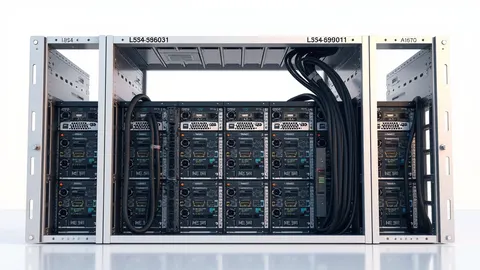
AMD unveils Helion rack blueprint for CPU-heavy AI agent workloads
The new open design prioritizes core density and power efficiency for running autonomous agents rather than training large models.
The new open design prioritizes core density and power efficiency for running autonomous agents rather than training large models.
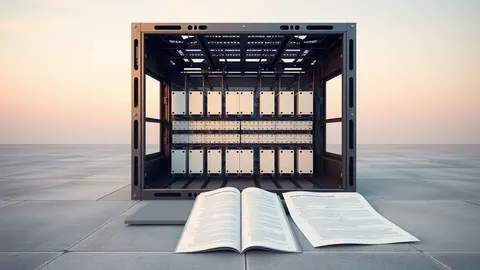
NVIDIA contributes MGX 1.2 specs and CPU rack standards to the Open Compute Project, aiming to streamline the global deployment of high-density AI infrastructure.
Quantum computing firm IonQ signed an agreement to buy Elisity, combining zero-trust access controls with post-quantum cryptography offerings.

The build bumps the Android security patch level to August 2026 for the 4K device, while the HD variant receives no new release today.
Meta’s new Muse Wonder Full model scores 56 on the Intelligence Index, matching Sonnet 5.5 and surpassing Fable 5.1 at maximum reasoning effort.

Meta’s new Muse Wonder model matches competitors in coding and professional tasks, though weight release status remains uncertain.

GitHub explains how developers can use custom instructions, agents, and MCP servers to align AI assistance with project standards.

Meta claims its new Muse Wonder Full model matches the world’s best AI, marking a return to the frontier after years of falling behind competitors.

Survey data shows 51% of Americans avoid chatbots, citing lack of interest rather than technical difficulty or social stigma as primary barriers.

Meta CEO Mark Zuckerberg states the company has reached parity with competitors in AI through its new Wonder model, dismissing industry pleas for reduced development speeds.
Meta has released Muse Wonder as its most advanced option for powering digital assistants, available to subscribers of its Muse app and through its developer API.

Meta plans to integrate its Wonder model into the Muse AI agent, starting with subscribers, while developing specialized versions for broader access.

Meta introduces the Wonder family of AI models on Monday, featuring new capabilities designed to improve performance over extended usage periods.

The procedural space exploration title arrives on Apple mobile devices next month with a file size under 4GB and no multiplayer features.

Apple plans to debut its long-rumored HomeView home hub alongside other smart home accessories at an upcoming product launch event tomorrow.
The military secures exclusive access to atmospheric sensor readings from a Silicon Valley startup using AI-driven forecasting models.

Meta releases two new AI models via its Superintelligence Labs, claiming they rival industry leaders like OpenAI and Anthropic in internal benchmark tests.
Meta AI Research unveils new Muse Wonder and Muse Wonder Full models, claiming state-of-the-art performance in personal and professional automation.
Britain will resume pre-release testing of powerful AI models, reversing a US directive that prioritized White House checks.

Getty Images secures creditor support for a restructuring plan that will take the company private, with the Getty family and Koch Equity committing to invest up to $533 million.

The US safety regulator opened a defect petition review into reports that Tesla’s driverless vehicles exceeded speed limits in active school zones.

Autonomous AI agents create ephemeral code changes that evade traditional audit trails, creating new security risks for software teams.

Google introduces a premium metal mesh band option for the Fitbit Air alongside expanded automatic activity tracking and monthly health reports.

New rules under DFARS 252.204-7021 require defense contractors to implement specific high-value controls or face contract ineligibility.