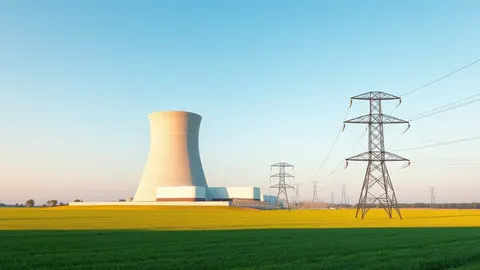
US and Russia discuss nuclear-powered data centers amid diesel deal
Kremlin envoy Kirill Dmitriev confirms talks on small reactor projects despite sanctions and political opposition to energy agreements.
Key points
- US and Russia are discussing joint projects including nuclear-powered data centers.
- Talks follow a recent diesel supply agreement that faced political condemnation.
- No specific details on locations, financing or timelines have been released.
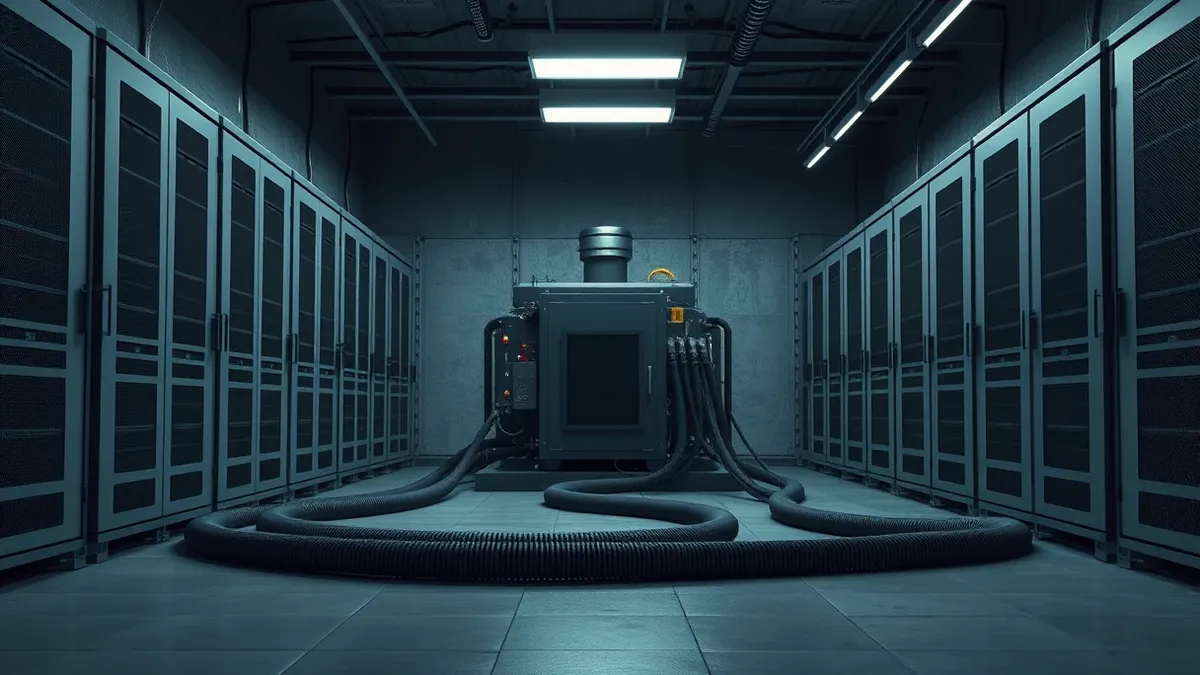
Russia and the United States are discussing joint projects that include data centers powered by small nuclear reactors, according to a report by TechRadar. Kirill Dmitriev, an investment envoy for President Vladimir Putin, disclosed these discussions on Friday at the Russian Energy Week conference in Moscow. The announcement comes shortly after a separate agreement regarding Russian diesel fuel was finalized.
Dmitriev, who heads the Russian Direct Investment Fund, stated that brainstorming sessions are underway regarding how to navigate existing sanctions. He did not provide specific details on the locations, financing, timelines or participating companies for the nuclear data center projects. However, he indicated that further economic initiatives between the two nations are expected to be announced in the near future.
Diplomatic and Economic Context
The discussion of nuclear energy cooperation occurs despite significant political and legal barriers. Dmitriev criticized the Graham Act, legislation signed by President Donald Trump in September, calling it a misguided law. The act aims to reduce Moscow’s income from energy sales through tariffs and penalties. Dmitriev argued that the accumulation of sanctions has created confusion, making it difficult to find a path forward for economic relations.
He claimed that the United States is currently working on methods to lift these sanctions. This statement contrasts with the formal purpose of the Graham Act, which seeks to cut off energy revenue for the Russian government. The envoy suggested that both governments are considering other forms of economic cooperation beyond the immediate energy deals currently in the news cycle.
Diesel Deal and Political Pushback
The nuclear talks follow a recent arrangement involving Russian diesel fuel. President Trump announced a deal that would bring Russian fuel to American and global buyers, with the goal of lowering prices before the November midterm elections. This arrangement requires the lifting of certain penalties that Trump himself had previously placed on Russian crude oil exports.
Ukrainian President Volodymyr Zelenskiy sharply condemned the diesel agreement. The Kremlin has complained that Washington made new agreements dependent on a peace deal for Ukraine, which remains out of reach. Despite Zelenskiy’s opposition, Washington is focused on moving forward with the diesel deal, effectively abandoning the approach that tied economic agreements to a resolution of the conflict in Ukraine.
What should you do?
Security and technology professionals should monitor official government channels for updates on sanctions lists and export controls related to nuclear technology and energy infrastructure. Organizations involved in international energy projects should review their compliance frameworks to ensure they align with the latest regulatory changes. Stakeholders should track official announcements from the US Treasury Department regarding payment mechanisms and sanctioned entities.
What to do and how to stay safe: Kirill Dmitriev
- Monitor official government sanctions lists for changes affecting energy and nuclear sectors.
- Review internal compliance policies to ensure alignment with current US and international regulations.
- Track official statements from the US Treasury regarding payment settlements for sanctioned entities.
- Assess supply chain risks for any projects involving Russian energy or technology partners.
Step-by-step guide: Mobile Device Security: How to Protect Data Beyond Passwords
General security guidance from the Threat Times newsroom. It is not confirmed advice from the organisations named in this story.
Frequently asked questions
What specific nuclear projects are the US and Russia discussing?
They are discussing joint projects that include data centers powered by small nuclear reactors.
Who announced these nuclear discussions?
Kirill Dmitriev, head of the Russian Direct Investment Fund and Putin's investment envoy, announced them.
Are there details on the timeline or location of these projects?
No, there are no details on locations, financing, timelines or participating companies yet.