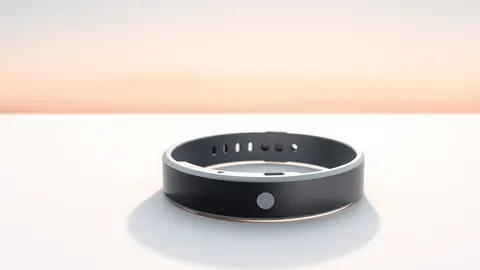
Oura Introduces Cardio Effort and VO2 Max Metrics to Smart Ring Apps
The wearable maker is rolling out advanced fitness tracking features to Gen3 and newer devices as competition in the smart ring market intensifies.

Key points
- Oura announced the launch of Cardio Effort and VO2 max metrics on Tuesday to expand workout tracking capabilities.
- Cardio Effort measures cardiovascular tax relative to individual baselines, shifting focus from duration to intensity and recovery.
- VO2 max estimates are now generated passively after five qualifying GPS-enabled activities, removing the need for lab tests.
Oura announced on Tuesday that it is introducing two new fitness metrics, Cardio Effort and VO2 max, to its smart ring ecosystem. These features aim to provide users with deeper insights into how specific workouts impact their cardiovascular health and long-term fitness levels.
The company is rolling out these tools to address growing competition in the wearable market. According to TechCrunch, rivals such as RingConn and Ultrahuman are emerging, putting pressure on Oura to innovate. The new metrics are designed to differentiate the brand by moving beyond basic exercise duration and heart rate zone tracking.
Context and Background
Cardio Effort evaluates how much a workout taxes the cardiovascular system. The metric aggregates data over the week relative to each user’s individual baseline. Oura stated that this approach shifts the user focus from simple movement minutes to assessing whether they are maintaining, building, or overdoing their fitness.
The metric includes two components: Workout Cardio Effort and Weekly Cardio Effort. The former assesses the impact of a single session, while the latter aggregates weekly totals into categories like Light, Fair, Maintaining, Building, or Reaching. Because it accounts for both intensity and duration, a short, intense workout can yield a similar score to a longer, less intense one.
Oura calculates these figures by measuring elevated heart rate relative to each member’s long-term resting heart rate. This method avoids the variability often associated with maximum-heart-rate estimates. Weekly effort levels are determined using personalized ranges based on recent activity patterns, ensuring the data remains specific to the individual user.
Who Is Affected
Cardio Effort is rolling out to Oura Ring Gen3 and later models. The company specified this hardware requirement for the new feature. Users with these devices can now access the detailed cardiovascular insights provided by the updated software.
VO2 max tracking is also available to these users. This metric shows how workouts contribute to long-term fitness by measuring how effectively the heart, lungs, and muscles deliver and use oxygen during exercise. Previously, obtaining accurate VO2 max data required a lab test or a specific six-minute walking test.
Oura now estimates this metric passively using GPS-enabled workouts. After completing five qualifying activities, users receive an initial estimate. Within the My Health Heart Hub, they can view their current estimate in ml/kg/min, their fitness category, historical changes, and the last update timestamp.
What should you do?
Users with Oura Ring Gen3 or newer devices should check for the latest app updates to access these new metrics. Those interested in VO2 max tracking must complete five qualifying GPS-enabled activities to generate an initial estimate. Regular users should monitor their Cardio Effort scores to ensure they are not overtraining relative to their personal baselines.
What to do and how to stay safe: Oura
- Verify that your Oura Ring app is updated to the latest version to ensure compatibility with the new Cardio Effort and VO2 max features.
- If you own a Gen3 or newer ring, complete five GPS-enabled workouts to trigger the initial VO2 max estimate calculation.
- Review your Weekly Cardio Effort categories to assess if your current training load is sustainable or if you are exceeding your baseline.
- Compare your new VO2 max category against previous months to track long-term fitness trends rather than focusing solely on single-session data.
Step-by-step guide: Mobile Device Security: How to Protect Data Beyond Passwords
General security guidance from the Threat Times newsroom. It is not confirmed advice from the organisations named in this story.
Frequently asked questions
Which Oura Ring models support the new Cardio Effort and VO2 max metrics?
The features are rolling out to Oura Ring Gen3 and later models, according to the company announcement.
How does Oura calculate the Cardio Effort metric?
It measures elevated heart rate relative to the user's long-term resting heart rate and aggregates effort weekly based on personalized ranges.
Do I need a lab test to get my VO2 max score with Oura?
No, Oura estimates VO2 max passively using GPS-enabled workouts after the user completes five qualifying activities.