DIY VR Enthusiasts Build Headsets Using Open-Source Projects and Low-Cost Components
Enthusiasts are constructing custom virtual reality headsets using open-source software and inexpensive parts, a niche trend driven by declining commercial momentum.
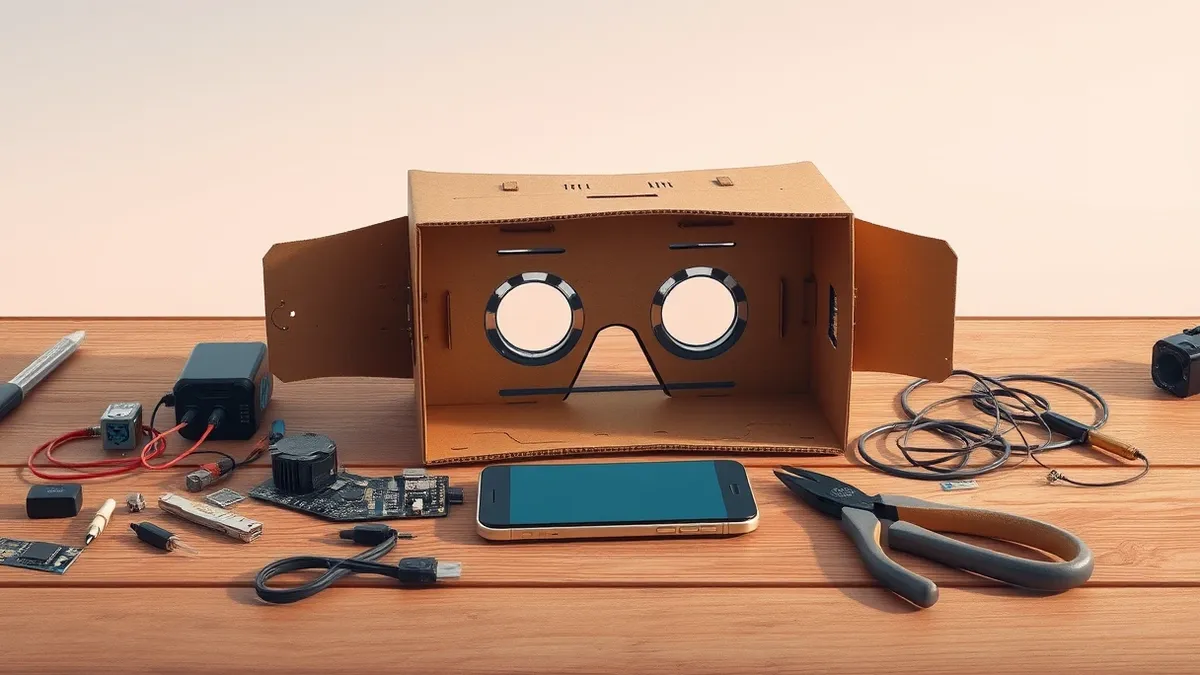
Key points
- DIY VR projects allow users to build headsets for approximately $150 using components like displays and sensors.
- Open-source initiatives such as Relativty VR provide the necessary code and configuration guidance for these builds.
- Commercial VR development has slowed, with major companies scaling back efforts, pushing innovation to the enthusiast sector.
Virtual reality development has shifted significantly toward the enthusiast community, where individuals are building their own head-mounted displays using open-source software and low-cost hardware components. According to a report by Ars Technica, this do-it-yourself movement is growing as commercial momentum for mainstream VR devices continues to decline across the industry.
The primary driver for this shift is the slowing rate of new headset releases from major technology companies. Many firms, including Apple, have scaled back or shelved their extended reality efforts. While new commercial products like the Steam Frame and Pimax Dream Air still appear, the most interesting developments are now occurring in the DIY space, where hobbyists combine electronics skills with 3D printing.
Context and Background
Building a functional VR headset requires significant time and technical expertise, involving soldering, firmware flashing, and 3D printing. The process is described as a rollercoaster of highs and lows, resulting in a decidedly niche movement rather than a mainstream alternative. Enthusiasts must navigate complex hardware integration to create a device that can compete with commercially supported units in terms of performance and usability.
The trend gained visibility through online content creators, such as YouTuber CNCDan, who demonstrated how to build a VR headset for $150. This low price point is compelling for users with existing electronics skills. The author of the Ars Technica report, who has experience repairing pinball machines, found the project appealing after fearing that Microsoft would end support for the Windows Mixed Reality standard used by their HP Reverb G2 headset.
Who Is Affected
This development primarily affects tech enthusiasts and sim racers who rely on VR for immersive experiences. Users who previously depended on specific standards, such as Windows Mixed Reality, have found renewed viability in their hardware through third-party drivers like OASIS on Steam. This community-driven support allows older headsets to remain functional even as official vendor support wanes, encouraging further experimentation with custom hardware solutions.
The ecosystem for DIY VR includes several open-source projects that provide the necessary tools. Relativty VR, started in the late 2010s by Jonas Ceccon, Gabriel Combe, and Maxime Coutté, is cited as the best starting place. It includes comprehensive code, configurations, and guidance. Other notable projects include OpenVR Arduino HMD, Project North Star, and SlimeVR for full-body tracking.
What should you do?
Individuals interested in building their own VR hardware should assess their technical skills in electronics and 3D printing before attempting a build. The process requires more than just purchasing parts; it demands hours of work on assembly and software configuration. Users should explore established open-source communities like Relativty VR to understand the complexity involved.
What to do and how to stay safe: Relativty VR
- Evaluate your proficiency with soldering, firmware flashing, and 3D printing before attempting a DIY VR build.
- Review open-source project documentation, such as Relativty VR, to understand the required components and software configurations.
- Check for community-supported drivers like OASIS if you are using legacy hardware standards such as Windows Mixed Reality.
- Consider the time investment required, as building a headset involves significant manual labor beyond simple assembly.
Step-by-step guide: Mobile Device Security: How to Protect Data Beyond Passwords
General security guidance from the Threat Times newsroom. It is not confirmed advice from the organisations named in this story.
Frequently asked questions
How much does it cost to build a DIY VR headset?
According to the report, a DIY VR headset can be built for approximately $150 using available components.
What is the best starting point for DIY VR development?
Relativty VR is identified as the best starting place, offering code, configurations, and guidance for builders.
Why is DIY VR becoming more popular?
Commercial momentum for VR has declined, with major companies scaling back efforts, shifting innovation to the enthusiast sector.