Italy’s Foreign Ministry defends website against cyberattack, reviews embassy sites
Italian officials report mitigation of an ongoing attack on ministry systems while coordinating with EU partners to identify the responsible threat actors.
Key points
- Italy’s Ministry of Foreign Affairs confirmed a cyberattack on its website on the morning of October 8.
- Protection systems have mitigated the incident so far, resulting in no reported service disruption.
- The ministry is collaborating with Romania and other EU states to propose naming attackers in upcoming meetings.
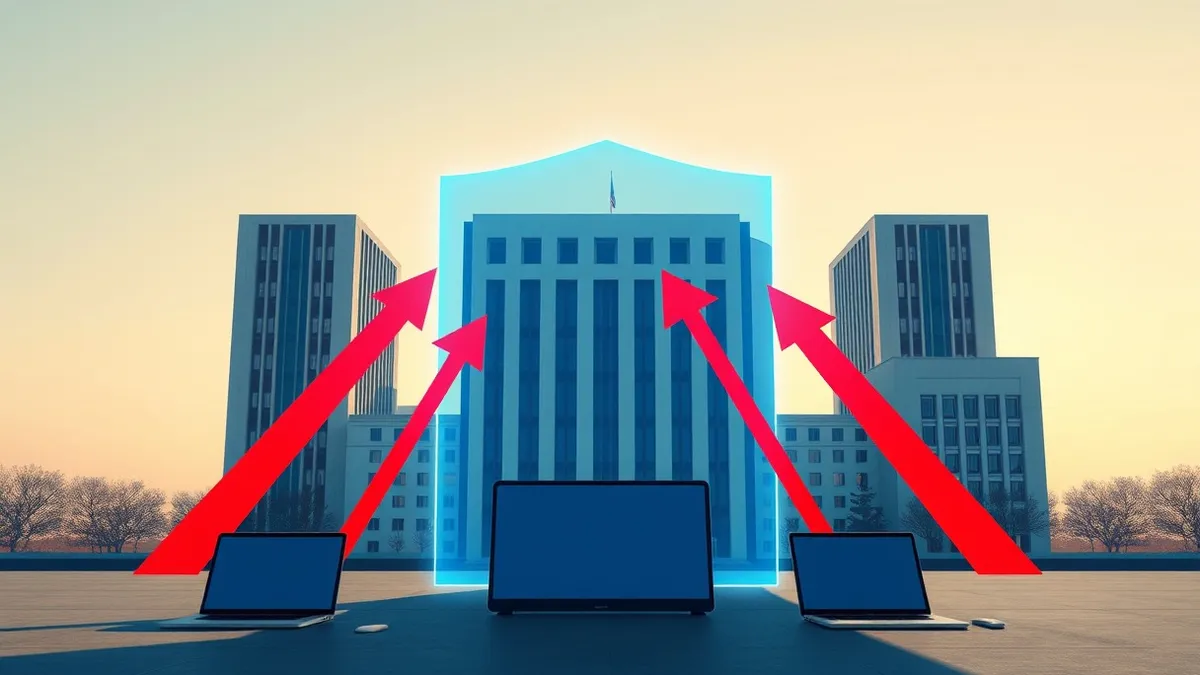
Italy’s Ministry of Foreign Affairs confirmed on the morning of October 8 that its official website was under active cyberattack. The ministry stated that its defensive systems have successfully mitigated the intrusion attempts so far, preventing any operational disruption to its online services.
The ministry is actively monitoring the situation alongside the Polo Strategico Nazionale, the country’s national cloud hub, and other competent authorities. Officials have not disclosed the specific type of attack being used or identified the group behind the intrusion. No attribution has been made by the ministry or external analysts in the immediate aftermath of the event.
Context and Background
Foreign Minister Antonio Tajani linked the incident to broader cybersecurity reforms approved for the ministry last year. He stated that prevention, monitoring, and response capabilities have been strengthened in recent months. These enhancements include new technological countermeasures designed to detect and neutralize threats before they cause damage to government infrastructure.
Tajani recently demonstrated these capabilities to German Foreign Minister Johann Wadephul during a visit to Rome. The minister explained the technical functions of the CSIRT Operations Room, highlighting Italy’s improved readiness to handle digital threats. This diplomatic engagement underscores the priority placed on securing foreign ministry communications and data.
Who Is Affected
Analysts are currently reviewing the websites of Italian embassies and consulates abroad for signs of similar attack attempts. This expanded review suggests the threat may extend beyond the central ministry’s primary domain. Security teams are checking for indicators of compromise across the global network of diplomatic missions to ensure comprehensive protection.
Italy has decided to work with Romania and other EU member states to include proposals in upcoming European meetings. The goal is to designate the actors responsible for cyberattacks targeting Italian institutions. This diplomatic effort aims to create a formal record of responsibility, which carries more weight than temporary technical blocks.
The source material notes that NoName057(16) is a pro-Russian group that announced itself in March 2022. Avast researchers observed this group using the Bobik botnet for DDoS attacks as early as September 2022. While no group has claimed this specific incident, the pattern of targeting government sites is familiar to security observers.
What should you do?
Organizations should monitor their own web assets for unusual traffic spikes or performance degradation. Administrators should review access logs for any unauthorized attempts to connect to public-facing services. Coordination with national cybersecurity hubs can provide early warning of broader campaigns targeting government entities.
What to do and how to stay safe: Italy
- Monitor web server logs for unusual traffic patterns or repeated connection attempts from known malicious IP ranges.
- Verify that web application firewalls and intrusion prevention systems are configured to block common attack signatures.
- Coordinate with national cybersecurity agencies to receive alerts about active campaigns targeting government or diplomatic sectors.
- Ensure that emergency response plans are updated and that staff know how to report suspicious activity immediately.
Step-by-step guide: Social Engineering Warning Signs and How to Respond
General security guidance from the Threat Times newsroom. It is not confirmed advice from the organisations named in this story.
Frequently asked questions
Did the attack disrupt the ministry’s website?
No, the ministry stated that its protection systems mitigated the attack so far, with no disruption reported.
Who is behind the attack?
The ministry has not identified the attackers, and no group has claimed responsibility for this specific incident.
Is Italy working with other countries on this?
Yes, Italy is working with Romania and other EU members to propose naming cyberattackers in upcoming meetings.