US Cloud Giants Commit $660B-$690B in Capex for 2026 AI Infrastructure
Five major providers plan to nearly double 2025 spending on data centers, chips, and power for artificial intelligence.
Key points
- Amazon leads with a projected $200 billion capital expenditure for 2026.
- The five firms collectively plan to spend between $660 billion and $690 billion.
- Roughly two-thirds of the budget targets compute hardware like GPUs and accelerators.
Microsoft, Alphabet, Amazon, Meta, and Oracle have collectively committed to spending between $660 billion and $690 billion on capital expenditure in 2026, according to an analysis published in InfoWorld. This figure represents nearly double the amount these five US cloud and AI infrastructure providers spent just one year ago.
Amazon leads the group with a projected $200 billion in spending, primarily directed at data centers and AI compute capabilities. Alphabet has committed between $175 billion and $185 billion, a significant increase from its $91 billion expenditure in 2025. Microsoft is tracking toward $120 billion or more, having already spent $37.5 billion in a single recent quarter.
Meta plans to spend between $115 billion and $135 billion, while Oracle is targeting roughly $50 billion. When excluding Oracle, the remaining four companies alone plan to invest approximately $630 billion. This represents a 62% increase from the record $388 billion they spent in 2025, marking a steep acceleration in infrastructure investment.
Infrastructure and Hardware Breakdown
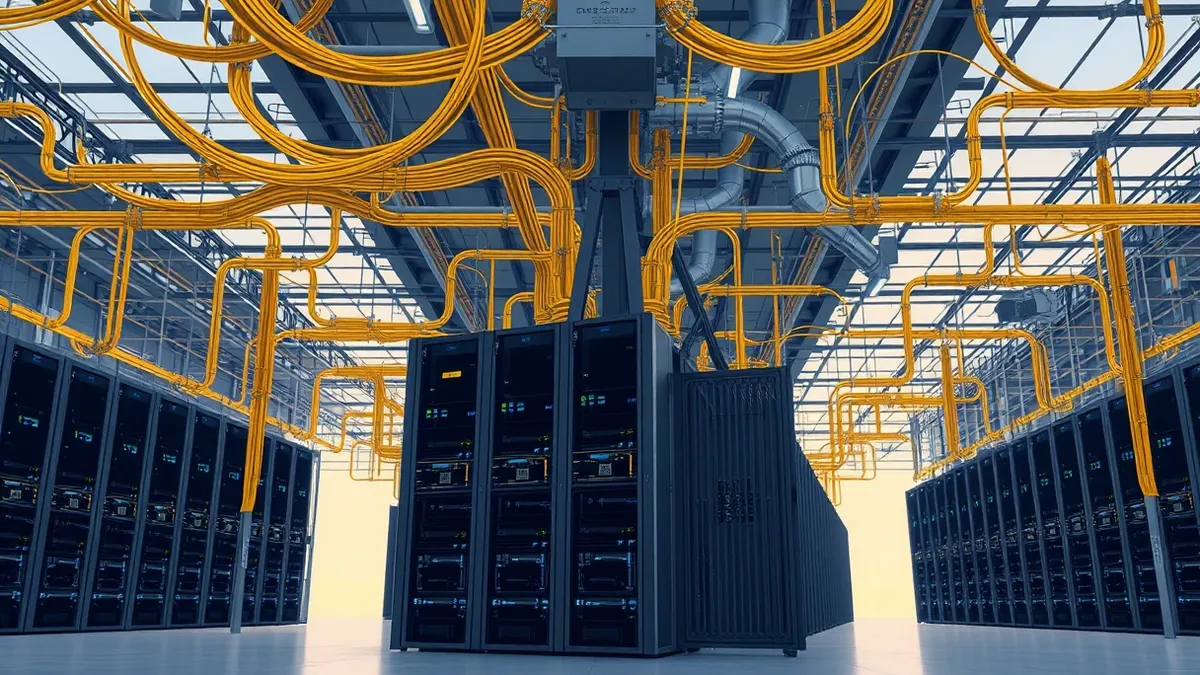
The spending is largely allocated to chips, physical buildings, and electricity required to run AI workloads. InfoWorld reports that the expenditure splits across the AI data center stack, including GPUs and custom accelerators such as Google’s Tensor Processing Units and Amazon’s Trainium. Companies are also investing heavily in physical data centers featuring liquid cooling and high-density floors.
Power infrastructure constitutes a growing share of the budget, including power purchase agreements and on-site gas-fired generation where the electrical grid cannot keep up with demand. Roughly two-thirds of the total money goes to compute hardware, while one-third covers facilities, power, cooling, and networking. The power share continues to rise every quarter.
Market Demand and Supply Constraints
InfoWorld notes that the market is currently on the steep part of a demand curve with several solid years of growth remaining. Short-term demand over the next two years is already firm, with every hyperscaler reporting that they are supply-constrained rather than demand-constrained. Microsoft is reportedly sitting on an $80 billion backlog of Azure orders it cannot fulfill, largely due to power availability issues.
Enterprises are currently panic-buying cloud capacity and computing gear, convinced that the AI boom will leave unprepared organizations behind. These companies want their infrastructure in place to take advantage of whatever form the transformation takes. The analysis suggests that no executive wants to explain to their board in 2028 why they spent 2026 waiting in line for resources.
What should you do?
Security and technology professionals should monitor these capital expenditure trends to anticipate shifts in hardware supply chains and data center locations. Understanding where major providers are investing can help organizations plan their own cloud strategies and vendor selections.
What to do and how to stay safe: Microsoft
- Review current cloud vendor contracts to understand capacity guarantees and potential supply constraints.
- Assess internal power and cooling requirements if planning to deploy on-premises AI infrastructure.
- Monitor hardware vendor announcements from companies like Dell, HPE, and IBM for supply chain updates.
- Evaluate enterprise readiness for AI integration to avoid last-minute infrastructure scrambling.
Step-by-step guide: Cloud Misconfiguration Response: Containment, Recovery and Prevention Steps
General security guidance from the Threat Times newsroom. It is not confirmed advice from the organisations named in this story.
Frequently asked questions
Which company is planning the highest capital expenditure for 2026?
Amazon is leading with a projected $200 billion in capital expenditure for 2026.
What is the primary reason for the increased spending?
The spending is primarily directed at AI infrastructure, including GPUs, custom accelerators, data centers, and power.
Are these companies facing demand or supply issues?
According to InfoWorld, every hyperscaler reports being supply-constrained rather than demand-constrained.