Dell pitches 13-to-1 server consolidation to support agentic AI workloads
Dell Technologies claims its upcoming PowerEdge servers can replace up to 13 older units, addressing data center space constraints.
Key points
- Dell Technologies promotes 13-to-1 server consolidation ratios for its upcoming 18th generation PowerEdge lineup.
- Agentic AI workloads are driving increased demand for central processing units, according to the company.
- New systems using AMD processors offer 70 percent generational performance gains over previous models.
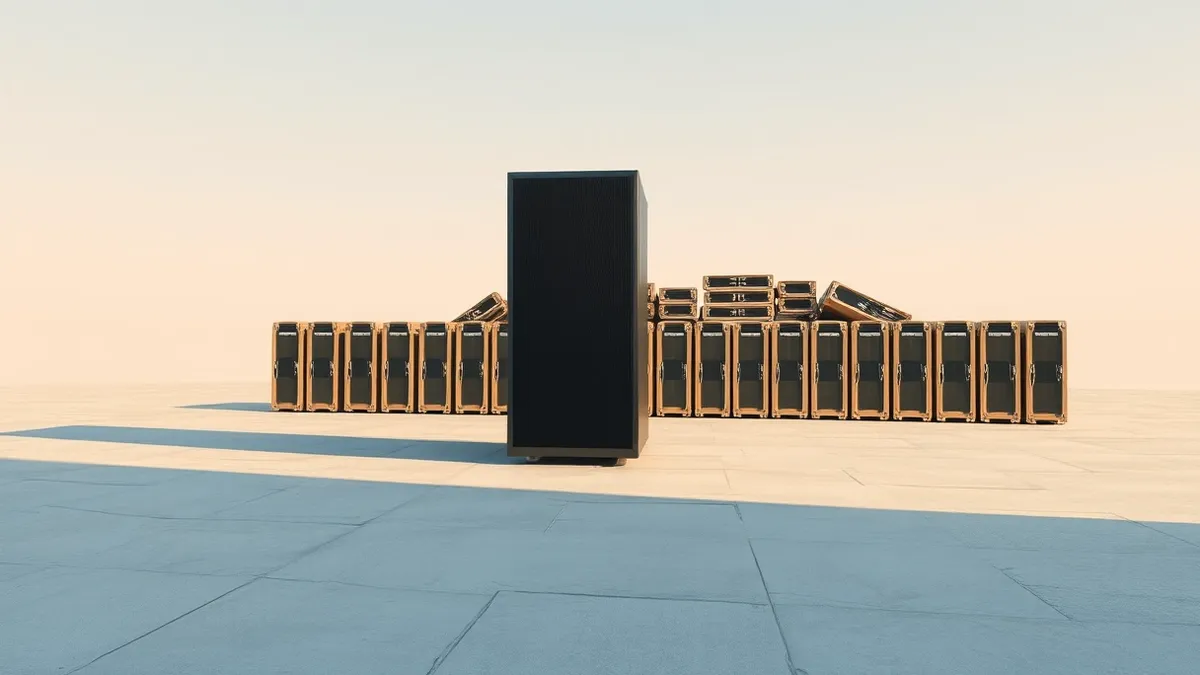
Dell Technologies Inc. is promoting aggressive server consolidation strategies to accommodate the growing compute demands of agentic artificial intelligence. The company states that its upcoming hardware can replace up to 13 older servers with a single modern unit, addressing critical data center capacity limits.
According to SiliconANGLE, Dell’s product planner Pradyumna Narendra highlighted that while graphics processing units dominate AI infrastructure discussions, agentic systems rely heavily on central processing units. Data centers are currently constrained by power and space limitations, preventing the simple addition of more servers to meet rising workload requirements.
Server Consolidation and Performance Gains
Dell expanded its PowerEdge server line with 11 new models in May, positioning these systems to help organizations refresh aging fleets. Narendra told theCUBE Research’s John Furrier at the AI Data Pipeline Forum that replacing older hardware with denser systems frees up physical capacity for new AI initiatives. This approach allows companies to maintain or increase compute power without expanding their physical footprint.
The upcoming 18th generation of PowerEdge servers is designed around this refresh mathematics. Systems powered by Advanced Micro Devices Inc. processors deliver 70 percent generational performance improvements. Narendra noted that these new systems can fold 13 servers from Dell’s 14th generation into one unit. He stated that productivity gains compound as companies retire older hardware across their data centers.
Rack-Level Efficiency and Design
Raw processor speed is only one component of Dell’s strategy, as many server manufacturers use similar AMD silicon. Narendra explained that Dell’s three-rack-unit, two-socket design consumes less power for self-cooling than a comparable two-unit system. This efficiency allows customers to fit more compute density into each rack, despite the larger physical package size.
Narendra described this density approach as sometimes counterintuitive but beneficial for customers. He stated that deploying slightly larger server packages delivers more rack-level density, resulting in tangible benefits for data center operations. This design helps organizations capitalize on accelerating effects from hardware refreshes across multiple facilities.
What should you do?
Organizations planning AI infrastructure should evaluate current server utilization and physical data center constraints before procuring new hardware. IT leaders should assess whether consolidating older fleets can free up power and space for agentic AI workloads. Teams should monitor vendor announcements regarding generational performance gains and cooling efficiencies.
What to do and how to stay safe: Dell Technologies
- Audit existing server fleets to identify aging hardware that can be consolidated to free up rack space.
- Evaluate power and cooling capacity limits in current data centers to determine if denser servers are viable.
- Review vendor specifications for generational performance gains and rack-level efficiency metrics.
- Monitor upcoming hardware releases for support of multiple chip suppliers to avoid vendor lock-in.
Step-by-step guide: Prompt Injection Warning Signs: How to Spot AI Manipulation
General security guidance from the Threat Times newsroom. It is not confirmed advice from the organisations named in this story.
Frequently asked questions
How many older servers can Dell's new units replace?
Dell states that its upcoming 18th generation servers can replace up to 13 servers from its 14th generation.
Why is Dell focusing on CPUs for AI workloads?
Dell notes that agentic AI systems lean heavily on central processing units, driving demand for general-purpose compute.
What performance gains do the new AMD-powered servers offer?
According to Dell, systems powered by AMD processors deliver 70 percent generational performance gains.