Amazon Launches Always-On Recording Bee Frontier and Magnetic Bee Eclipse AI Gadgets
Amazon introduces two new AI wearables that constantly record audio to generate summaries and shopping suggestions, with real-time processing claims.
Key points
- Amazon announced the Bee Frontier wearable and the card-shaped Bee Eclipse, both featuring always-on microphones.
- The devices use AI to process audio in real time for transcripts, summaries, and personalized shopping recommendations.
- Amazon states that audio is not stored but processed and deleted immediately, with a light indicating recording status.
Amazon has expanded its artificial intelligence hardware portfolio with the announcement of two new devices under the Bee brand, which the company acquired last year. According to a report by Gizmodo, these gadgets are designed to listen to conversations continuously, marking a shift in how consumer electronics handle ambient audio data.
The first device, named the Bee Frontier, functions similarly to the original Bee wearable but includes enhanced audio-filtering AI. This technology aims to distinguish important information from background noise, such as chatter in a loud restaurant. The device is IP67-rated for water resistance and is slightly smaller and lighter than its predecessor. It is available immediately for $74.99 in onyx, lavender, and sage colors.
The second device, the Bee Eclipse, adopts a credit-card-sized form factor that attaches magnetically to the back of a smartphone. This version will be available soon, starting at $99.99, and comes in silver, midnight, honey, and blush colors. Both devices rely on microphones to capture speech, processing the input to generate transcripts and summaries.
Context and Background
A notable feature of these new devices is their integration with Amazon’s shopping platform. If users opt into Amazon integration, the Bee wearable can analyze conversations to suggest items for purchase directly on the Amazon homepage. This functionality leverages the constant audio recording to identify potential consumer interests, adding a layer of targeted advertising based on spoken dialogue.
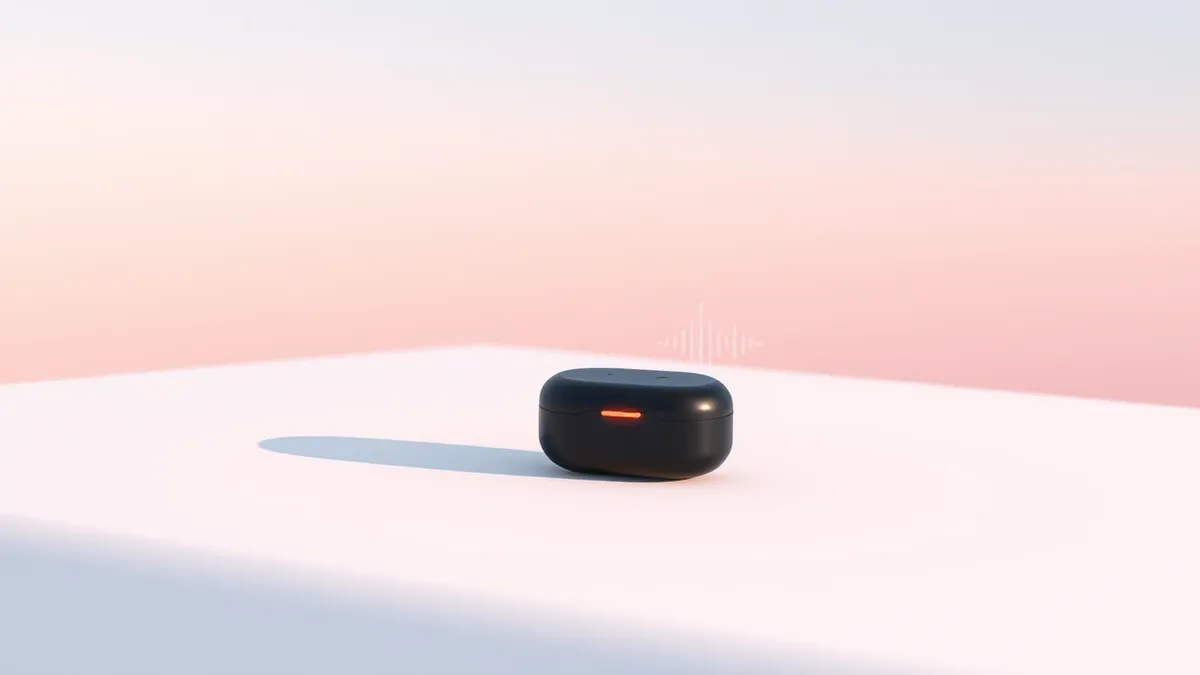
Amazon claims that nothing is ever stored; rather, it is “processed into insights in real time” and then deleted afterward. To provide transparency, the devices feature a button that lights up to indicate when recording is active. Whether that is enough to convince users that the devices are not creepy is another matter entirely.
Who Is Affected
The launch of these devices highlights a broader trend in the technology sector toward “always-on” recording capabilities. Gizmodo noted that other companies are exploring similar features, such as Xgimi’s smart glasses that constantly listen to audio to provide memory assistance. Meta has also reportedly expressed interest in “hypersensing” smart glasses that record video continuously. These developments suggest that ambient data collection may become more common in consumer hardware.
Security professionals should note that these devices are marketed as productivity and memory aids, but their ability to capture private conversations poses inherent risks. The Bee Frontier and Bee Eclipse are consumer products, but their underlying technology could influence enterprise wearable strategies. The constant listening nature of the devices means they capture not only the wearer’s speech but also the conversations of people around them.
What should you do?
Security teams monitoring emerging threats should track how vendors implement data deletion claims in real-time processing models. Users considering these devices should review the privacy settings and opt-out options for shopping integration. Organizations with strict data policies may need to address the use of such personal devices in sensitive environments.
What to do and how to stay safe
- Review the privacy policy and data handling statements for any new AI
Step-by-step guide: Prompt Injection Warning Signs: How to Spot AI Manipulation
General security guidance from the Threat Times newsroom. It is not confirmed advice from the organisations named in this story.