Ransomware Groups Target Backup Infrastructure to Block Recovery Options
Attackers are increasingly compromising backup systems to eliminate recovery paths and force ransom payments, experts warn.
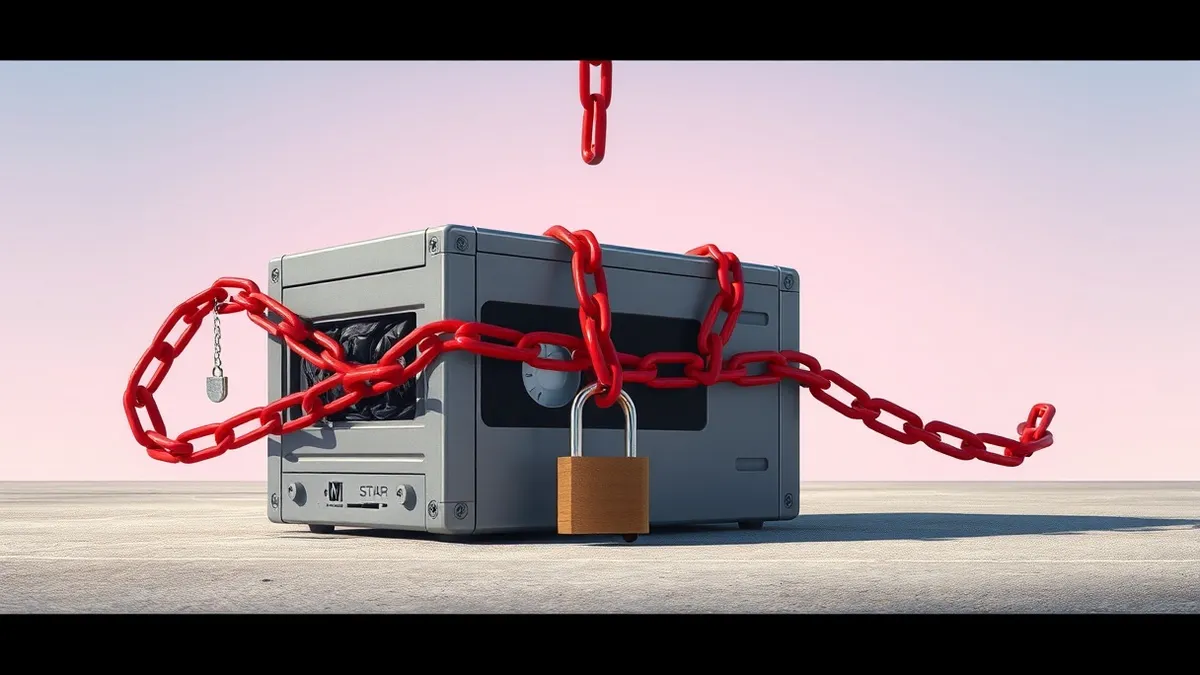
Key points
- Ransomware operators are shifting focus to backup infrastructure to destroy recovery options.
- Eliminating backups increases pressure on victims to pay ransoms.
- Kaseya recommends isolated, immutable, and regularly tested backup strategies.
Ransomware threat actors are increasingly targeting organizational backup infrastructure as a primary vector for attack, aiming to eliminate recovery options and maximize financial leverage. According to a report by BleepingComputer, this strategic shift allows attackers to destroy the very systems organizations rely on to restore data, thereby increasing pressure on victims to pay ransoms.
The tactic represents a significant evolution in ransomware operations. By compromising backup repositories, attackers ensure that even if an organization refuses to pay the initial ransom, it cannot restore its data from offline or secondary storage. This effectively holds the organization’s entire data estate hostage. The report highlights that the destruction of backup integrity is a key method used to coerce payment, as the cost and time required to rebuild systems from scratch often exceed the ransom demand.
The Strategic Shift in Ransomware Tactics
Traditionally, ransomware attacks focused on encrypting live production data. However, the increasing sophistication of threat groups has led to a more comprehensive approach that includes the systematic destruction of recovery mechanisms. According to the BleepingComputer report, the primary goal is to remove any alternative to paying the ransom. By targeting backups, attackers neutralize the organization’s primary defense against data loss.
This approach requires attackers to gain deeper access to network environments than previously necessary. They must identify where backups are stored, how they are protected, and how to bypass security controls designed to protect those specific assets. The success of these attacks often depends on the attacker’s ability to locate and compromise backup credentials or exploit vulnerabilities in backup management software.
Who Is Affected
Organizations of all sizes that rely on digital backups for disaster recovery are potential targets. The report indicates that any entity with accessible backup infrastructure is at risk. The threat is particularly acute for organizations that store backups on the same network as production systems or that use weak authentication methods for backup administration.
According to Kaseya, as cited in the BleepingComputer report, the vulnerability lies in the accessibility of backup data. If attackers can reach the backup systems, they can delete or encrypt the stored data, rendering it useless for recovery. This affects any organization that has not implemented strict isolation protocols for its backup environment. The risk is not limited to large enterprises; small and medium-sized businesses with less robust security postures are also susceptible to these targeted attacks.
What should you do?
Security professionals must reassess their backup strategies in light of this evolving threat landscape. The focus must shift from simple data replication to ensuring the integrity and accessibility of backups only by authorized personnel. Organizations need to verify that their backup systems are not just copies of production data, but are protected by the same or higher levels of security.
The report emphasizes the need for backups that are difficult for attackers to reach or modify. This requires a combination of technical controls and procedural safeguards. Regular testing of backup restoration processes is also critical to ensure that backups are viable when needed. Without these measures, organizations remain vulnerable to the coercive tactics of modern ransomware groups.
What to do and how to stay safe: ransomware
- Implement network isolation for backup systems to prevent lateral movement from compromised production environments.
- Utilize immutable storage solutions that prevent data from being modified or deleted for a set period.
- Conduct regular tests of backup restoration procedures to verify data integrity and recovery speed.
- Monitor backup logs for unusual access patterns or deletion attempts that may indicate an ongoing attack.
General security guidance from the Threat Times newsroom. It is not confirmed advice from the organisations named in this story.
Frequently asked questions
Why are ransomware groups targeting backups?
According to the report, attackers target backups to eliminate recovery options and increase pressure on victims to pay ransoms.
What does Kaseya recommend for backup security?
Kaseya recommends that organizations maintain isolated, immutable, and regularly tested backups that attackers cannot easily reach.
Who is at risk from this tactic?
Any organization with accessible backup infrastructure is at risk, particularly those that have not implemented strict isolation protocols.